
Construction Site Security in Melbourne
The site changes every fortnight and so does the risk. Temporary systems, power that does not exist yet, and coverage that has to move with the build.
- Temporary systems that relocate
- Solar where there is no power
- Perimeter and material storage
- Moves with the build stages
Why sites are different
Nothing About a Site Stays Still
A permanent system is specified once for a building that will not change. A construction site changes shape every few weeks, and the thing worth protecting changes with it.
At slab stage the risk is the site itself and anything left overnight. At frame the risk is timber and tools. At lock up it is appliances, fixtures and copper. By fit out it is finished work that costs far more to replace than it did to install.
A system that cannot move with those stages ends up watching an empty corner of a site while the material sits somewhere else.
Someone drives in, loads what is portable and leaves. That means the entry and the material storage matter more than the perimeter, and plate capture at the gate is worth more than another camera on the building.
What a site needs
Six Things That Make Site Security Work
Each one exists because a site is temporary, unpowered and constantly changing.
Solar and battery, not mains
Most sites have no usable power until well into the build, and site power that does exist gets switched off. Solar units with their own battery sidestep the whole problem and can be repositioned in minutes.
Coverage at the entry, at plate distance
If a vehicle can drive in, the gate is the highest value position on the site. A camera at the right distance and angle at the entry does more than three on the building.
Something that moves with the stages
Pole or fence mounted units that can be unbolted and repositioned. A system cabled into a structure that does not exist yet is a system that will be in the wrong place next month.
Active deterrence, not just recording
A spotlight and a siren at the material storage changes behaviour before anything is taken. Most site theft is opportunistic, which is exactly the kind that deterrence works on.
A connection that is not the site Wi-Fi
There usually is not any. A mobile or satellite path means alerts leave the site when nobody is there, which is the entire point on a property nobody sleeps at.
Footage that survives the theft
If the recorder is on site it can be taken with everything else. An offsite copy of the important footage is the difference between evidence and a second loss.

By build stage
The Risk Moves, So the Cameras Should
Planning the system around the build programme rather than around the finished building is what separates a useful site system from an expensive one.
The practical approach is a small number of relocatable units, repositioned at each major stage, rather than a large fixed installation that is correct for one month out of twelve.
It also means the same equipment can move to your next site, which changes the economics considerably for a builder running several jobs.
- Slab and frame: entry and the material drop point
- Lock up: openings, and anything delivered but not installed
- Fit out: appliances, fixtures and finished areas
- Handover: remove, or convert to the permanent system
- Next site: the same units relocate, which is the real saving
Site types
What Changes by Site
Different builds, different first problems.
Single residential build
One or two units, focused on the entry and the material drop. Often the cheapest useful system on this list and the one most often skipped.
Knock down rebuild in an established street
Neighbours, narrow access and a street frontage. Coverage has to avoid recording the neighbouring properties, which is a framing question as much as a placement one.
Estate builds, several at once
Multiple sites in one area, which suits a single system with units at each and one login. Far cheaper than treating each as a separate job.
Commercial fit out
Inside an existing building, so power and network often exist. The problem is access control during the works rather than perimeter coverage.
Civil and infrastructure
Long, linear and often unpowered. Solar and mobile connectivity, with units placed at the access points rather than along the length.
Renovation of an occupied home
The owners are living there. Coverage that protects the works without recording the household is the constraint, and it needs discussing before anything goes up.
Recent work
Site Work Across Melbourne
Three builds where the system had to move with the programme.
No power until lock up
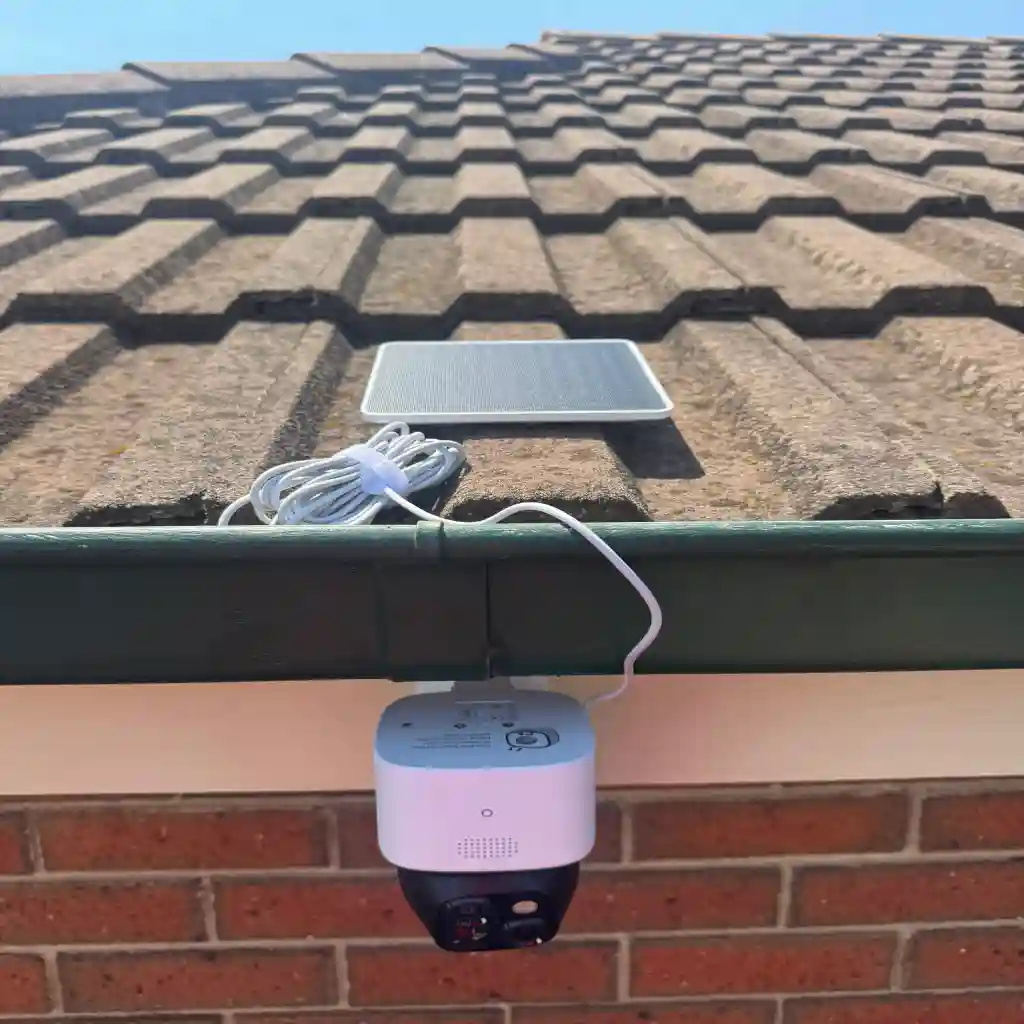
An estate build with no site power for the first four months. Solar units at the entry and the material drop, repositioned twice as the build progressed.
More on Epping ›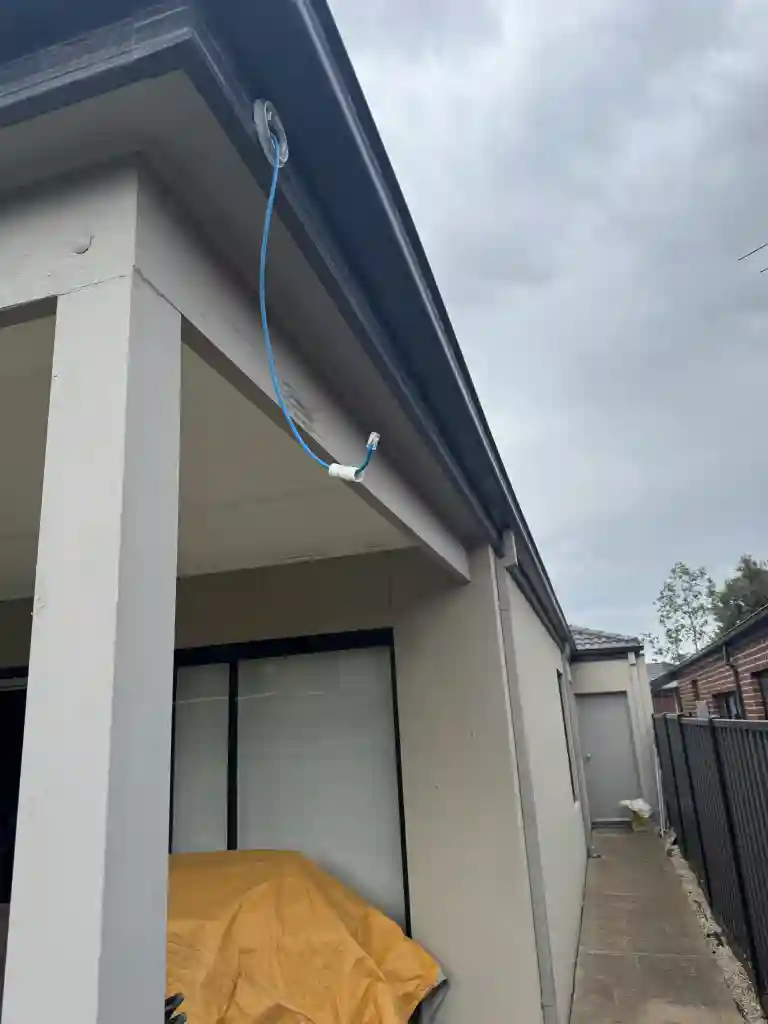
Temporary now, permanent later
A knock down rebuild where the owner wanted a permanent system eventually. Temporary units during the build, cabling pulled at rough in, and the permanent system fitted at handover.
More on Balwyn ›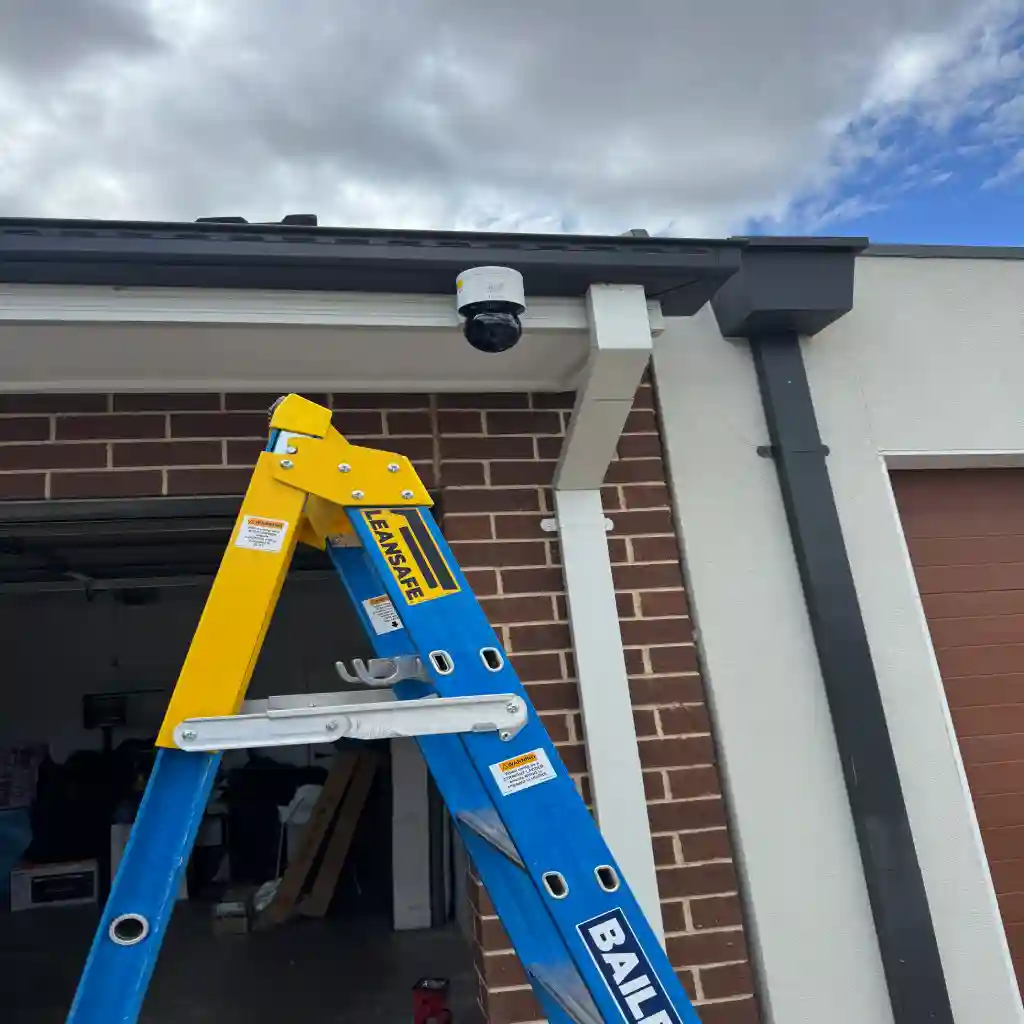
The gate, not the perimeter
Repeated overnight losses from a site with fencing on all sides. The entry was the only way a vehicle could get in, and one camera at plate distance there did what six on the perimeter had not.
More on Dandenong ›Questions
Construction Site Security FAQs
How much does construction site security cost?
It is priced on the number of units, whether they need to be solar, and how often they will be repositioned. A single residential build is usually a small system. A multi site estate build is quoted as one system across several addresses. We assess and quote in writing.
Do I need power on site?
No. Solar units with their own battery are the normal answer for the early stages, and on many sites they remain the answer because site power is switched off overnight anyway.
Can the system move between sites?
Yes, and for a builder running several jobs that is the main reason to buy rather than hire. Pole and fence mounted units relocate in minutes and cover the next site at no additional hardware cost.
What if the recorder gets stolen too?
That is why the important footage should have an offsite copy. Recording locally is fine, but relying only on a box that is sitting on the site is how a theft becomes two losses.
Will it record my neighbours on a tight residential block?
Not if it is framed properly. On a knock down rebuild in an established street we frame to the site and mask anything that overlooks a neighbouring property. Our guide to Victorian camera law explains why this matters.
Can you cable for the permanent system at the same time?
Yes, and it is the cheapest moment in the property’s life to do it. See our guide to pre wiring new builds for the timing.
Where to next
Related Services and Guides
For the permanent system see CCTV installation. For cabling during the build, read security pre wiring for new builds. For sites with no fixed line, see satellite internet.
Get Construction Site Pricing
Tell us the site, the build programme and whether power is available. A licensed technician plans coverage around the stages rather than around the finished building.
Borderless Solutions. Licensed and insured. 81 Junction Rd, Nunawading VIC 3131. Monday to Saturday, 7:00 to 20:00.