
What to Do After a Break In
The practical order, from the first hour through to what to change so it is harder next time. Written for the day it happens, not for browsing.
- What to do in the first hour
- Getting the footage before it overwrites
- Securing the property tonight
- What to change, and what not to
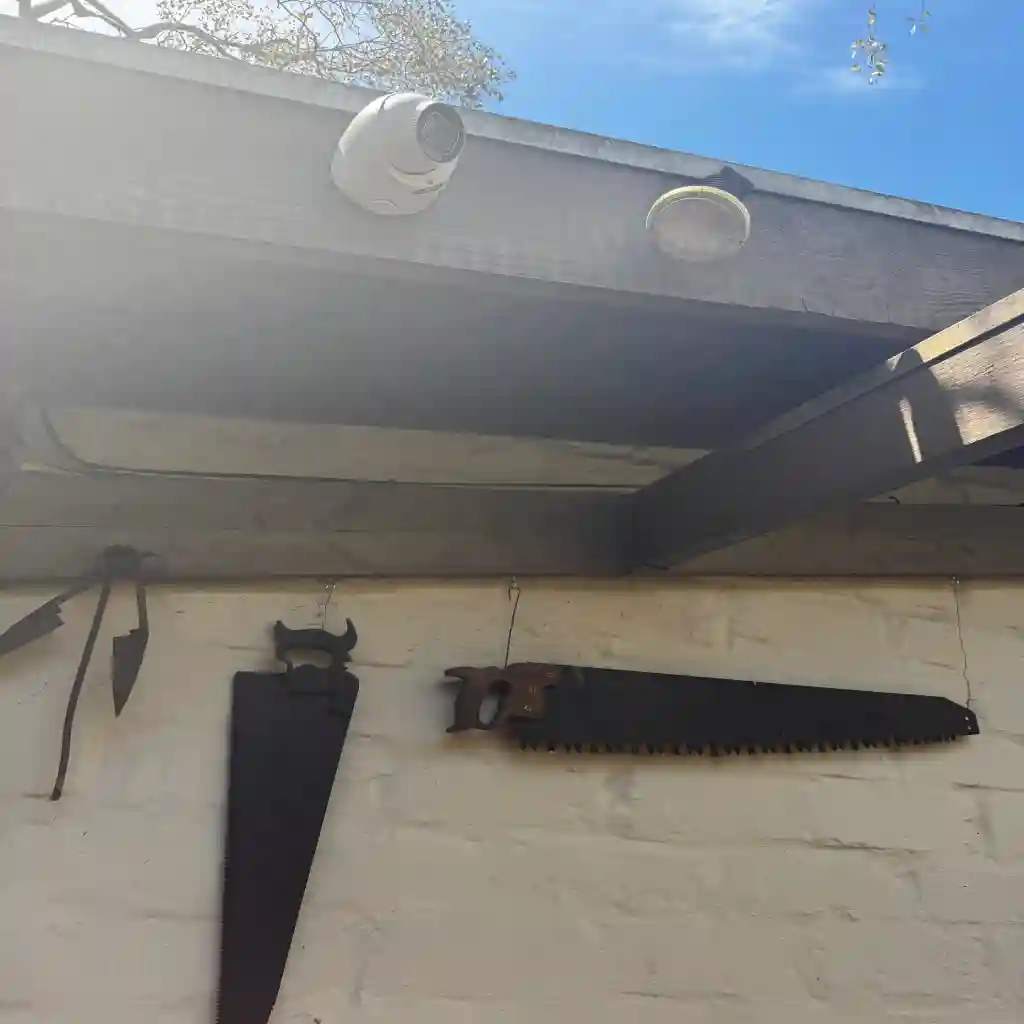
First hour
The Order That Matters on the Day
If this has just happened, the order below is the useful one. Everything else can wait.
Make sure the property is safe to enter and call police if you have not already. Do not tidy anything until you have been told you can, because the scene matters and so do the photographs.
Then, before anything else, export the footage. This is the step people skip and regret, because a recorder keeps overwriting while you deal with everything else.
A system holding two weeks will overwrite the night in question in two weeks. If the incident is reported late or the claim takes time, the recording you needed is already gone.
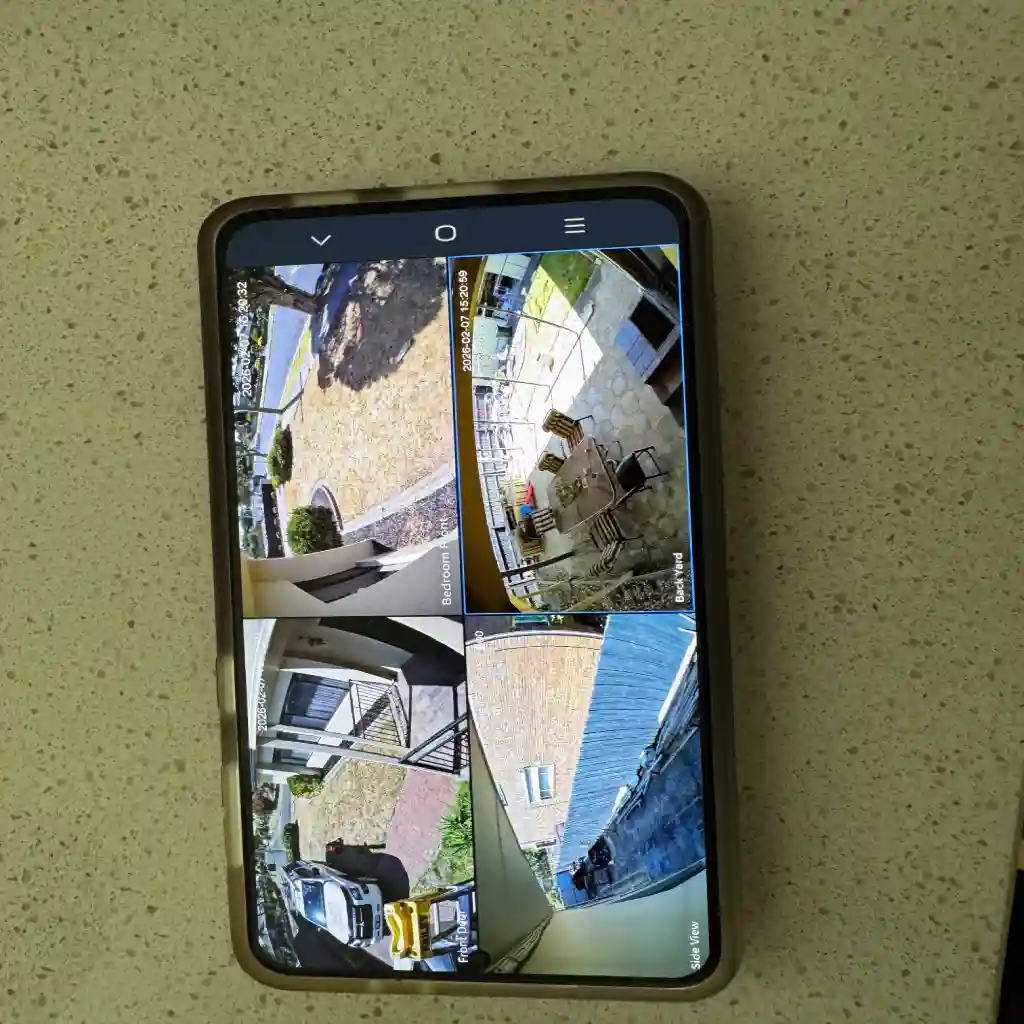
Step by step
Eight Steps, in Order
The first four are the same day. The rest follow over the week.
Make the property safe and call police
Do not enter if you are unsure. Get a police report number, because your insurer will ask for it and so will anyone else involved.
Photograph everything before you tidy
Damage, entry point, disturbed areas. Photographs on a phone with timestamps are worth a great deal later and cost nothing now.
Export the camera footage
Do not leave it on the recorder. Copy the clip to a phone or a drive today. Take more than you think you need, including the hours either side.
Get the arming log if the alarm is monitored
The monitoring centre holds a record of arming, disarming and the event. Request it early rather than after questions are asked.
Secure the entry point tonight
Board, brace or temporarily secure whatever was forced. This is about tonight rather than the permanent repair, and insurers generally expect you to prevent further loss.
Notify your insurer with the report number
Sooner is better. Send the footage export and the photographs rather than describing them.
Change every credential
Codes, smart lock credentials and any key that may have been taken. If a key was in the house, assume it is compromised.
Have the system assessed before you change it
Find out what worked, what did not, and why. That answer decides what is worth spending money on, and it is a different answer for every property.
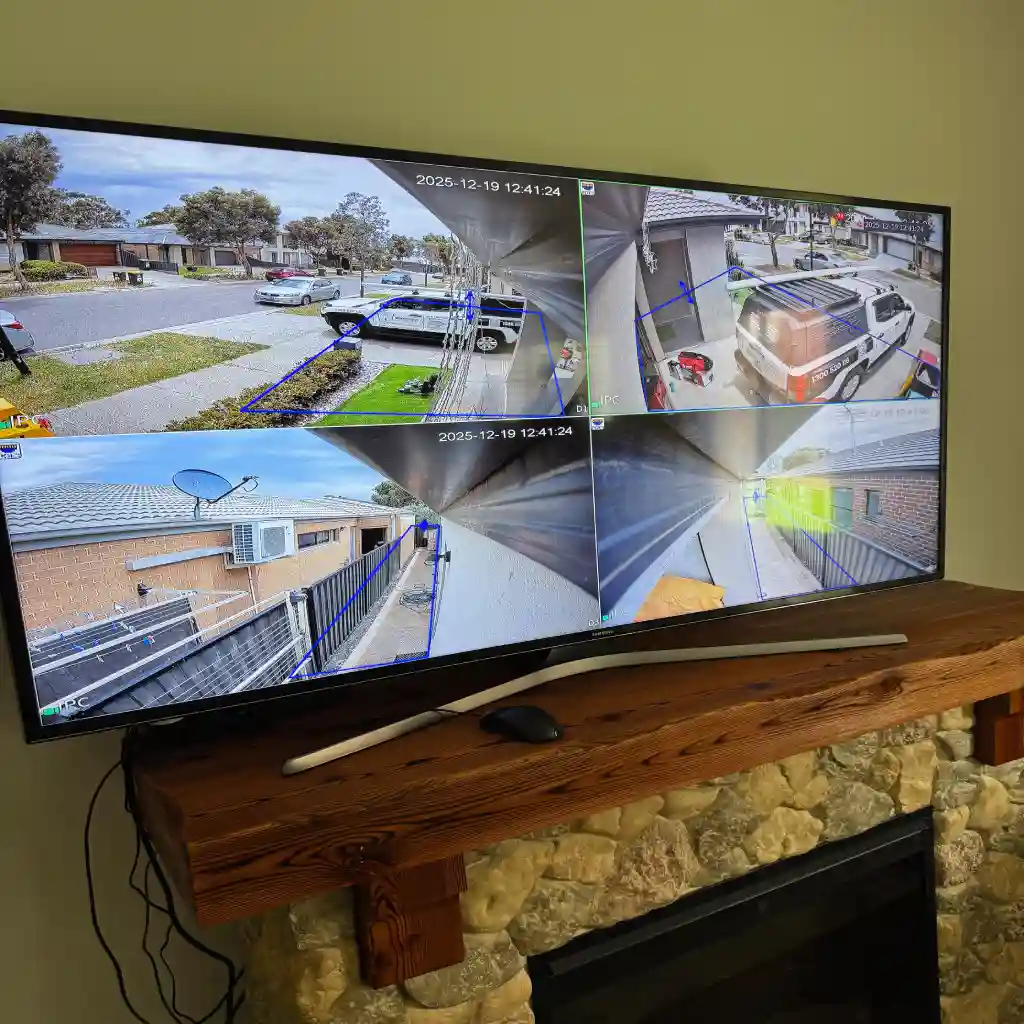
The hard question
Why the System Did Not Stop It
This is the question every owner asks, and the answer is usually one of four things. None of them is that security does not work.
The most common is coverage. The entry used was not covered, because it was the side gate, the rear door or a window on an elevation nobody thought about. A system covering the front of a house does not cover the back.
The second is that the system was not armed, which happens far more often than people admit. The third is that detection was muted months earlier because of false alerts. The fourth is that it recorded perfectly and nobody was identifiable, which is a placement problem rather than a hardware one.
- Coverage gap, the entry used was never covered
- Not armed, because arming had become inconvenient
- Alerts muted, after months of false triggers nobody tuned out
- Recorded but unusable, wide angle where identification was needed
- Drive full, and the system had stopped rather than overwriting
What to change
Six Changes Worth Making, and One That Usually Is Not
After an incident there is pressure to spend. Some of it is worth it and some is not.
Cover the entry that was used
Obvious, and still the most commonly skipped. Whatever route was taken is now a known weakness and it should be the first position covered.
Add identification distance at the approach
If the footage showed a figure rather than a person, that is placement. One camera repositioned often achieves more than three added.
Fix the reason alerts were muted
If the app was muted, adding cameras just adds to the noise. Person and vehicle classification and properly drawn zones are what makes a system usable again.
Check the retention
Find out how many days the system actually holds, with all cameras running. If it is less than a fortnight on a home, it is worth increasing.
Add visible deterrence at the entry
A camera with a spotlight at the approach, and a sign. Most residential incidents are opportunistic and this changes the decision before it is made.
Not more cameras, necessarily
The instinct is to double the count. Usually two or three well placed positions beat six poorly placed ones, and the assessment should say so honestly.
Recent work
Post Incident Work Across Melbourne
Three properties where the assessment changed what was worth spending.
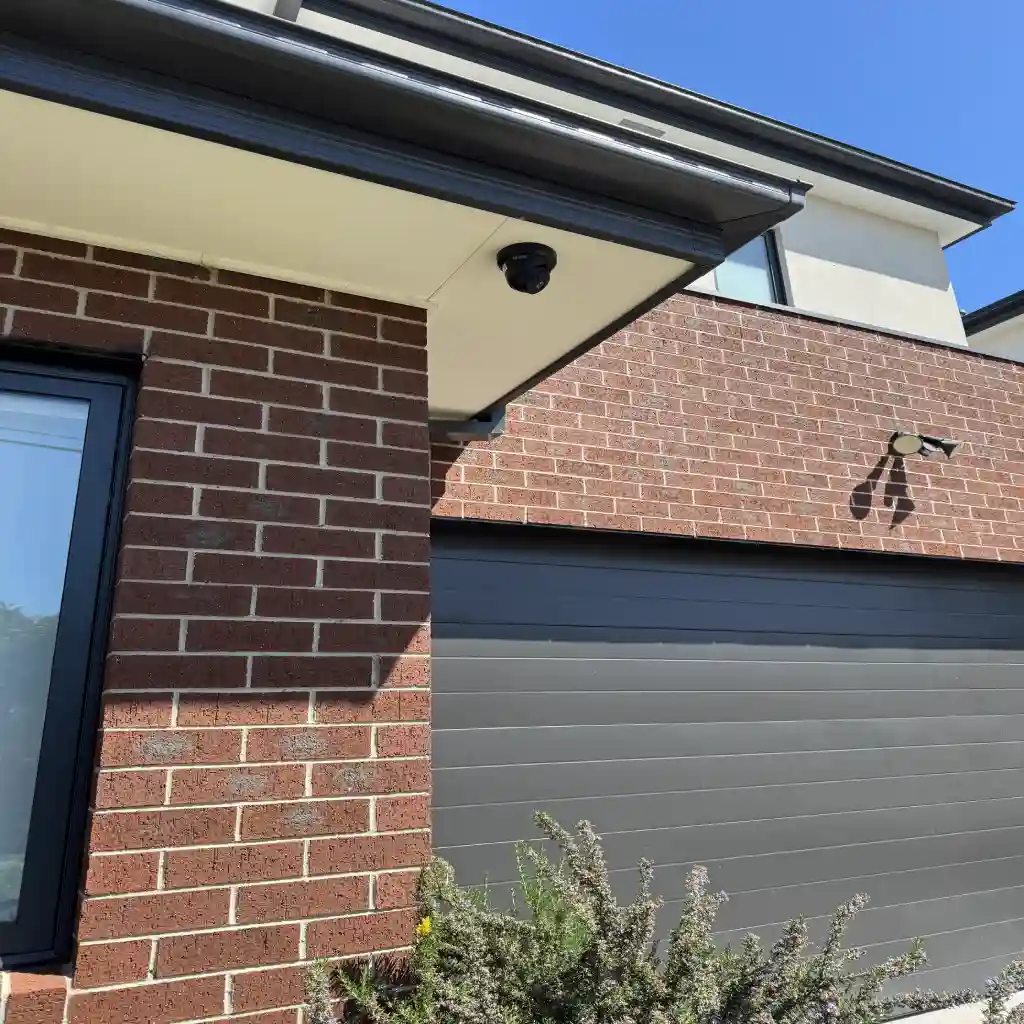
Four cameras, none on the rear lane
Entry through the rear laneway gate, which no camera covered. Two positions added at the lane and the side gate. The four existing cameras stayed where they were.
More on Reservoir ›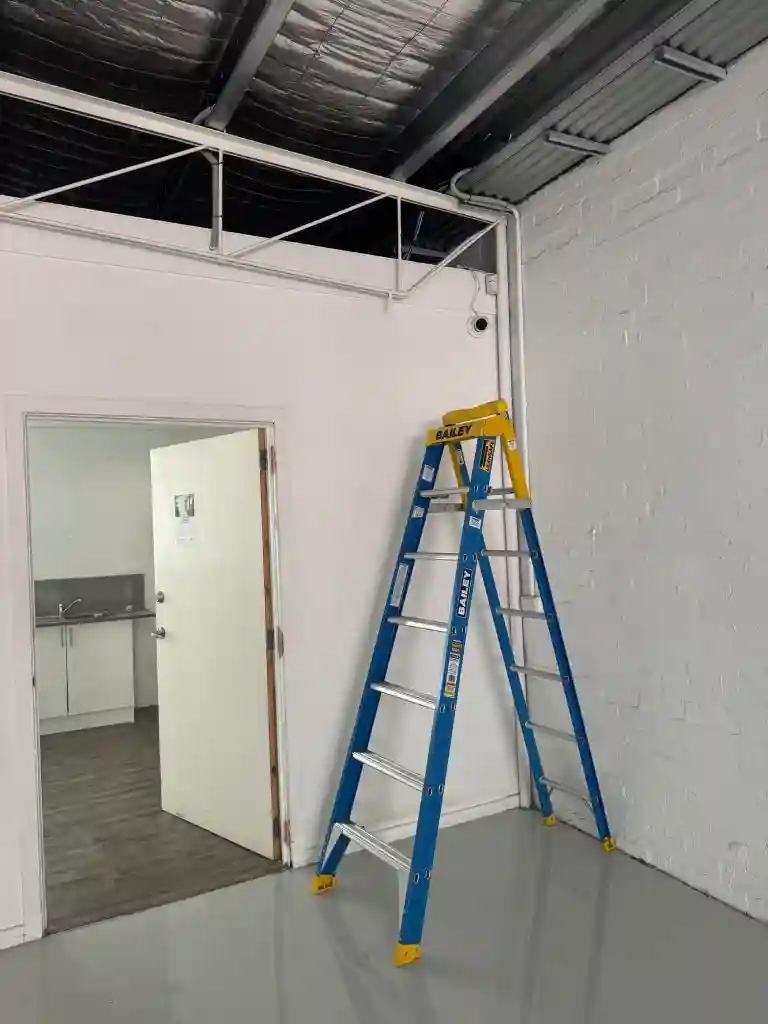
The app had been muted since March
The system worked and nobody saw the alert, because months of false triggers had led to the notifications being switched off. Classification enabled and zones redrawn rather than hardware added.
More on Brunswick ›
The drive had been full for a year
The system had stopped recording rather than overwriting, with no warning anyone had noticed. Drive replaced and correctly sized, health alerts enabled, retention confirmed at handover.
More on Dandenong ›Questions
After a Break In FAQs
What is the very first thing to do with my camera footage?
Export it. Copy the relevant clip, and the hours either side, to a phone or a drive today. A recorder keeps overwriting while you deal with everything else, and the footage you needed is often already gone by the time it is requested.
Do I need a police report number for my insurance claim?
In almost all cases yes. Get it at the time rather than trying to obtain it later, and keep it with your photographs and the footage export.
Should I tidy up before the insurer sees it?
Photograph everything first. Beyond that, follow whatever the police and your insurer tell you. Preventing further loss is usually expected, so temporarily securing a forced door is reasonable.
Why did my alarm not stop them?
Usually one of four things. The entry used was not covered, the system was not armed, the alerts had been muted after months of false triggers, or it recorded perfectly but from an angle that identified nobody. An assessment tells you which.
Do I need to replace my whole system?
Often not. Where the cabling is sound and the positions are sensible, new equipment on existing runs is a fraction of a full install. Where the positions were chosen for cable convenience rather than coverage, starting again is the honest answer.
Can you attend urgently?
Contact our team to check the next available service appointment. Properties that are currently insecure are prioritised, and we would rather give you a real time than a promised one.
Where to next
Related Services and Guides
For repairs and reassessment see service and repair. For coverage planning see CCTV installation and security alarms. On what your insurer will ask for, read security and insurance.
Have the Property Assessed
A licensed technician walks the property, tells you what the existing system did and did not cover, and what is actually worth changing. Free, and we will say when less is enough.
Borderless Solutions. Licensed and insured. 81 Junction Rd, Nunawading VIC 3131. Monday to Saturday, 7:00 to 20:00.