

Choosing the right security alarm system is crucial for protecting your home, family, and property. With both wired and wireless options available, many homeowners wonder which is the best fit for their needs. Each system comes with its own advantages, installation requirements, and maintenance considerations.
Why Choosing the Right Security Alarm System Matters
A reliable security alarm system not only deters intruders but also provides peace of mind. Choosing the wrong system can result in coverage gaps, false alarms, or ongoing maintenance challenges. For Melbourne homeowners, factors like property size, wiring, and home layout play a crucial role in selecting the right alarm system.
Investing in a system that fits your home’s specific needs ensures maximum protection, whether it’s for a single-story house, a multi-level townhouse, or an older property with limited wiring options.
What Is a Wired Security Alarm System
Wired systems use physical cables to connect sensors, detectors, and a central control panel. They are highly reliable and often preferred for new builds or homes requiring stable, tamper-resistant protection.
How Wired Systems Work
Each sensor communicates with the central panel via wires. When a sensor detects movement, smoke, or tampering, it triggers the alarm immediately. Wired systems also integrate easily with CCTV, fire alarms, and home automation devices.
Pros of Wired Security Alarms
- Reliable Connection: Cables reduce the risk of interference.
- Tamper-Resistant: More difficult for intruders to disable.
- Integrated Systems: Easily connects with cameras, intercoms, and smart home devices.
Cons of Wired Security Alarms
- Professional Installation Required: Drilling and running cables is complex.
- Higher Upfront Cost: Installation and materials can be expensive.
- Less Flexible: Moving or expanding the system may require additional wiring.
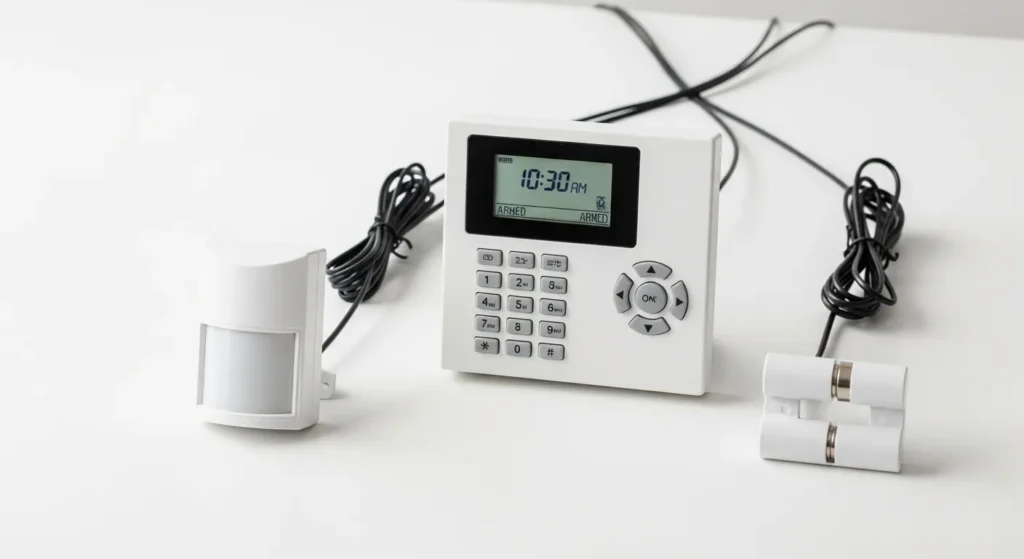
What Is a Wireless Security Alarm System
Wireless systems communicate via radio frequencies (RF) or Wi-Fi, eliminating the need for physical wiring. They are ideal for retrofitting older homes or properties where ease of installation and flexibility are priorities.
How Wireless Systems Work?
Wireless sensors send signals to a central control panel, often with smartphone integration for remote monitoring, alerts, and control over system settings.
Pros of Wireless Security Alarms
- Easy Installation: Minimal tools required; some setups can be DIY.
- Flexible Placement: Sensors can be moved or added without rewiring.
- Remote Monitoring: Smartphone apps allow alerts and control from anywhere.
Cons of Wireless Security Alarms
- Battery Dependent: Requires regular battery checks and replacement.
- Potential Interference: Walls, Wi-Fi congestion, or electronic devices can affect signal.
- Slightly Less Tamper-Proof: Signals can be disrupted if not properly secured.
- Battery Dependent: Requires regular battery checks and replacement.
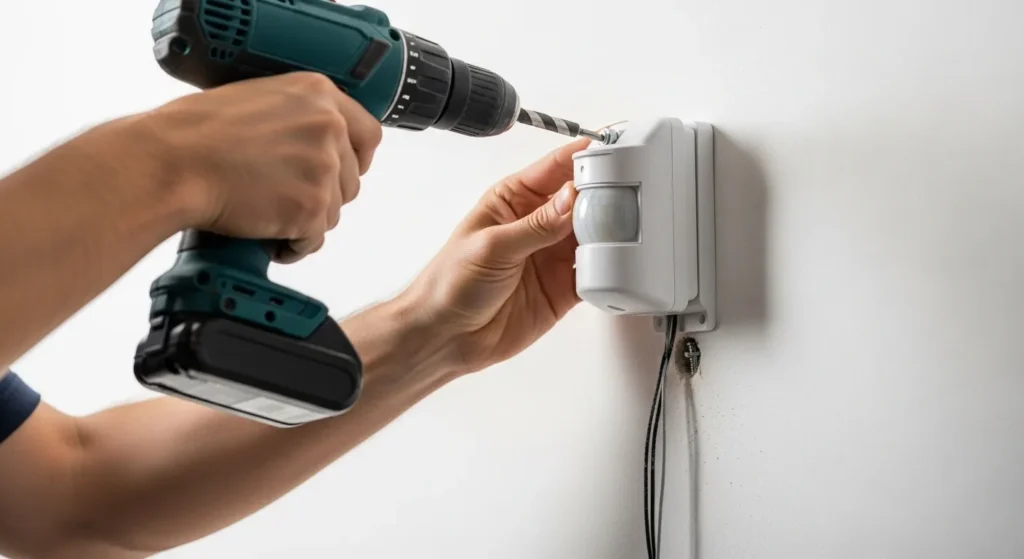
Comparing Wired and Wireless Systems Side by Side
Choosing the right system depends on your home, budget, and personal preferences. A side-by-side comparison can make the decision easier.
| Feature | Wired System | Wireless System |
| Installation | Professional required | Easy, sometimes DIY |
| Reliability | Very high, stable connection | High, may be affected by interference |
| Maintenance | Minimal | Battery replacement required |
| Flexibility | Low | High, easy to expand or relocate |
| Cost | Higher upfront | Lower upfront, possible ongoing costs |
| Security | Tamper-resistant | Slightly easier to tamper, secure with encryption |
Recommendation: For most Melbourne homes, wireless alarms are often the most practical choice due to flexibility, ease of installation, and adaptability in older or multi-level properties. Wired systems are ideal for new builds or where uninterrupted coverage and integration with other hardwired systems are priorities. Regardless of which system you choose, ensure installation meets AS 2201.1 requirements for residential intruder alarms to guarantee performance and insurance compliance.
Factors to Consider Before Choosing a System
Home Size & Layout
Melbourne homes vary from apartments to multi-story Victorian-era houses. Older homes often have thick walls and hidden wiring, making wired systems harder to install, whereas wireless systems are easier to implement without major renovations.
Budget
Wired systems require higher upfront costs due to installation and materials. Wireless systems are typically less expensive initially but may incur ongoing costs for battery replacements.
Future Expansion
Wireless systems allow easy addition of sensors or devices later. Wired systems require planning for expansion, which can increase installation complexity.
Integration with Other Systems & Climate Considerations
Consider linking your alarm with CCTV, smart locks, or home automation. Melbourne’s climate, including occasional heavy rain and heat, affects outdoor sensor placement. Ensure sensors are weatherproof and installed according to local council regulations, particularly for heritage or Victorian-era properties.
Maintenance & Tips
Maintaining your security alarm system ensures it works reliably and reduces the risk of false alarms or missed alerts. Proper maintenance extends the life of your system.
- Regular Testing: Press the test button monthly to ensure sensors and panels are functioning correctly.
- Battery Replacement: For wireless systems, replace batteries every 6–12 months or when the low-battery indicator activates.
- Keep Sensors Clean: Dust and debris can trigger false alarms or reduce sensor sensitivity.
- Check Wired Connections: Inspect wiring periodically for loose connections or damage.
- Professional Inspections: Have your system checked annually by experts like Borderless Solutions to ensure it’s fully operational and compliant with safety standards.
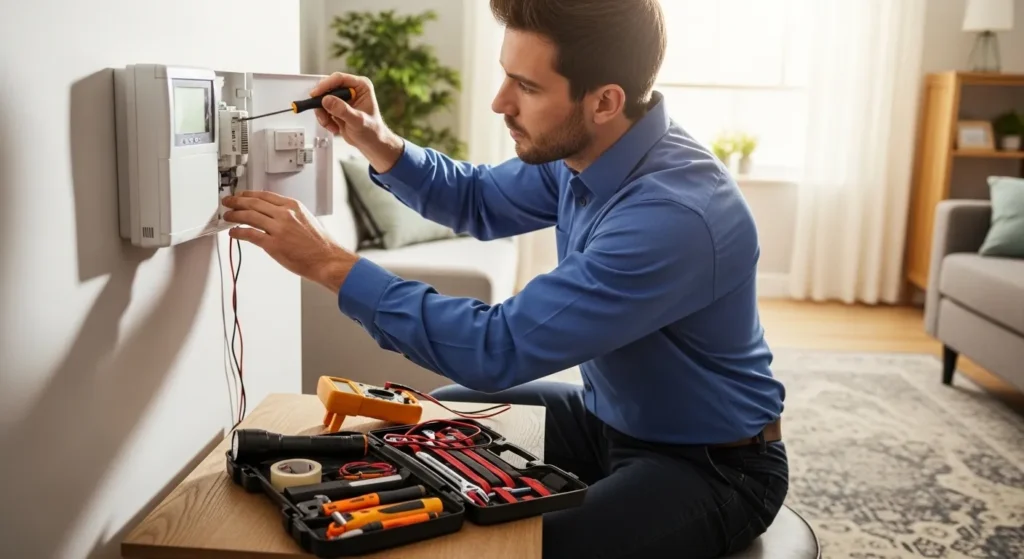
Professional Security Alarm Installation in Melbourne
While some wireless systems can be installed by homeowners, professional installation guarantees optimal placement, reliable coverage, and compliance with local standards.
At Borderless Solutions, we provide expert security alarm installation and repair services across Melbourne. Whether you choose a wired or wireless system, our team ensures your home is protected with reliable, professionally installed alarms that you can trust.
Conclusion
Both wired and wireless security alarms have unique advantages. Wired systems offer high reliability and tamper resistance, while wireless systems provide flexibility, ease of installation, and remote monitoring. For Melbourne homeowners, wireless systems are often the practical choice for older homes and multi-level properties, while wired systems excel in new builds or professional-grade installations. Contact us today for a security solution tailored to your home.
Frequently Asked Questions
Can I Mix Wired and Wireless Components?
Yes, hybrid systems combine the stability of wired devices with the flexibility of wireless sensors.
Which System Is Better for Older Homes?
Wireless alarms are typically easier to install in older or heritage Melbourne homes where running wires is difficult.
How Often Do Wireless Alarms Need Battery Replacement?
Most wireless sensors last 6–24 months, depending on the model. Regular testing is recommended.
Can Wired Systems Work During a Power Outage?
Yes, most wired systems include battery backup to maintain operation during power interruptions.
Do Wireless Alarms Interfere With Wi-Fi or Other Devices?
Modern wireless alarms are designed to minimize interference, but avoid placing them near heavy electronic devices for optimal performance.