Installing CCTV cameras is one of the most effective ways to improve security, but the real value comes from placing them correctly. A poorly positioned camera can miss critical activity, while a well-planned setup can give you full visibility across your property.
If you’re setting up a system in Melbourne, understanding where to place CCTV cameras is just as important as choosing the right equipment. This guide breaks everything down in a simple, practical way so you can make informed decisions for your home or business.
Why CCTV Camera Placement Matters
The effectiveness of any security system depends heavily on positioning. Even high-resolution cameras won’t help much if they’re pointed in the wrong direction or installed without planning.
How poor placement creates blind spots
One of the most common issues in DIY installations is blind spots. These are areas your cameras simply don’t see. It might be a side gate, a corner of the driveway, or even a front door captured at the wrong angle. Unfortunately, these are exactly the areas intruders tend to use.
Another common problem is distance. If a camera is too far from the subject, you might get footage, but not enough detail to identify faces or number plates clearly.
Why planning matters more than equipment?
People often focus on buying better cameras, but planning the layout is what truly improves security. Even a basic system can perform extremely well when cameras are placed strategically. On the other hand, expensive setups fail when positioning is ignored.
Good planning ensures every camera has a purpose and works as part of a complete coverage system rather than operating in isolation.
Where to Place Security Cameras at Home?
When it comes to residential properties, the goal is simple: secure all entry points and areas where movement is most likely to occur.
Front Door and Main Entrance
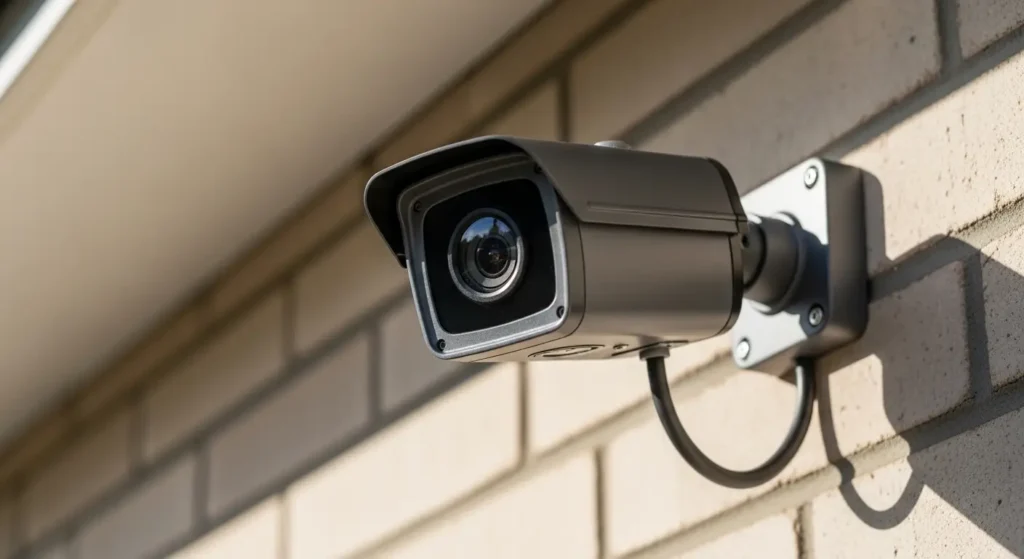
Your front door is the most important location. Most deliveries, visitors, and attempted break-ins start here. The camera should be angled slightly downward so it captures faces clearly rather than just the top of the head. This is also the area where motion alerts are most useful.
Back Door and Side Access Points
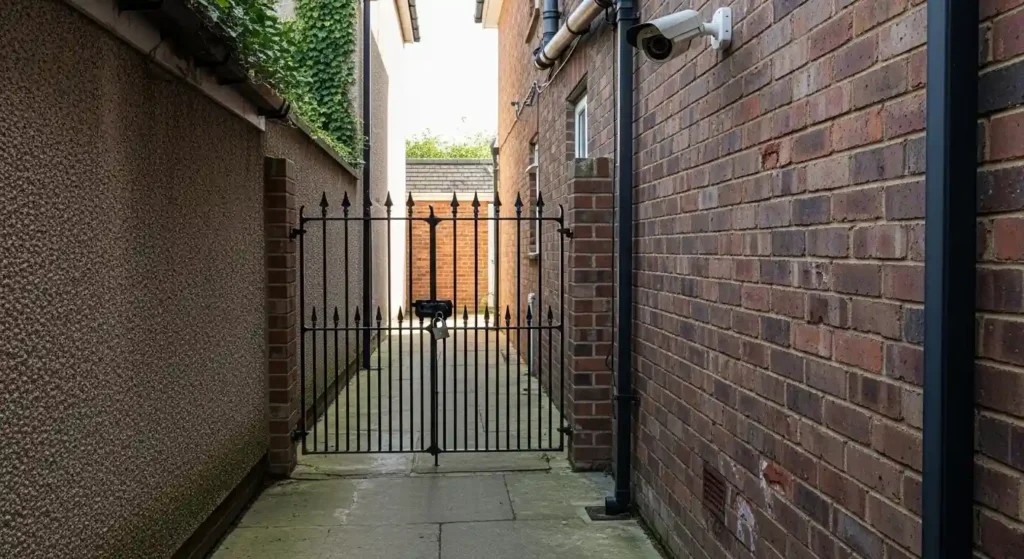
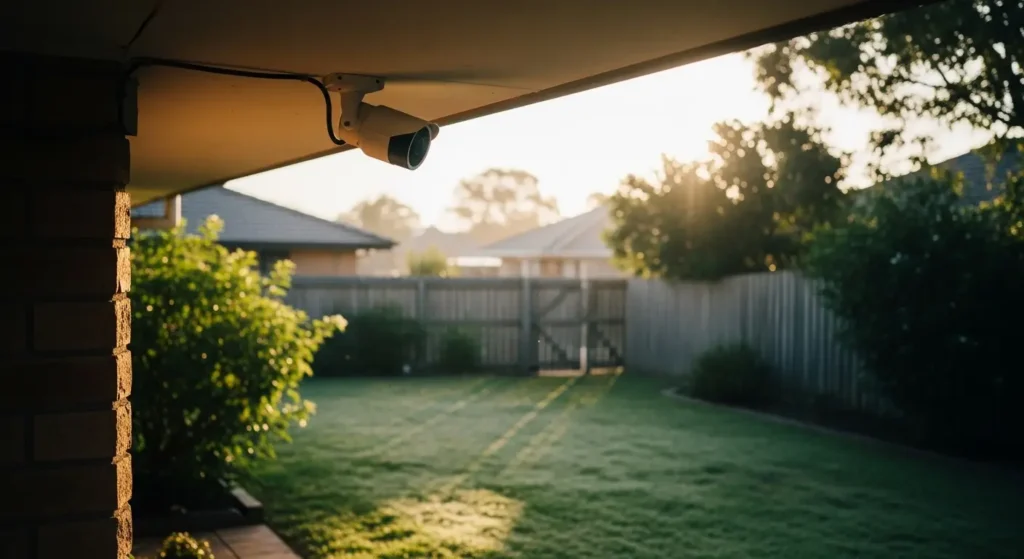
Back doors and side gates are often less visible from the street, which makes them attractive targets. These areas should always have coverage, even if they seem low-risk. A well-placed camera here acts as both a deterrent and an early warning system.
Driveway and Garage
Your driveway captures vehicle movement and is often the first point of contact for visitors. Position the camera so it can clearly see both the vehicle and the person exiting it. Garages should also be monitored, especially if they connect directly to the home.
Ground Floor Windows and Vulnerable Entry Points
Windows that are hidden from public view are common weak spots. A camera placed to monitor these areas can help detect suspicious movement before a break-in happens.
Indoor Hallways and Main Living Areas
Inside the home, hallways are ideal because they naturally capture movement between rooms. Instead of placing cameras in every room, focusing on central pathways gives you better coverage without unnecessary duplication.
Where to Place CCTV Cameras for Business Properties
Commercial spaces require broader coverage and a more structured approach. The focus is not just security, but also monitoring activity across different zones.
Entrances & Exits
Every entry and exit point should be covered without exception. This includes main doors, staff entrances, and even less-used emergency exits. These areas provide the most critical footage in case of incidents.
Car Parks and Loading Areas
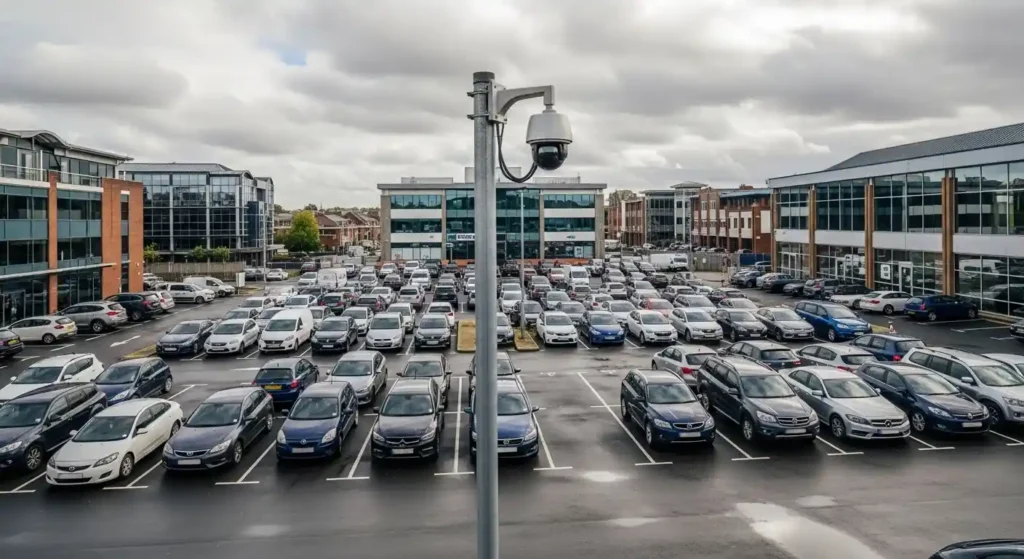
Parking lots and loading docks are high-activity zones where theft or unauthorized access can occur. Cameras here should be positioned to cover both wide areas and specific movement paths.
Reception and Customer Areas
In retail shops or offices, reception areas are important for monitoring customer flow. This also helps in case of disputes, theft, or security incidents involving visitors.
Storage and Restricted Zones
Any area that contains stock, cash, or sensitive materials should have controlled access monitoring. These cameras are less about visibility and more about accountability.
CCTV Placement Strategy
This is the part most people overlook, but it’s also what separates a basic setup from a professional one.
Identify the key Entry Points: Before installing anything, walk around your property and think like someone trying to enter unnoticed. Look for side passages, low fences, garage access points, or any area that isn’t clearly visible from the street.
Creating full coverage with overlapping angles: Instead of relying on one camera per area, the best setups use overlapping views. This means two cameras may partially cover the same zone from different angles. If one misses a detail, the other captures it.
Choosing Indoor vs Outdoor Positions: Outdoor cameras handle perimeter protection, while indoor cameras focus on internal movement. The key is to make them work together so there are no gaps between outside and inside coverage.
How Many CCTV Cameras Do You Actually Need?
The number of cameras depends entirely on your property layout, not just size.
Small homes vs larger properties: Smaller homes usually need coverage for front, back, and driveway areas, along with one or two indoor zones. Larger homes may require additional cameras for side access points, backyard zones, and internal hallways.
Business coverage requirements: Businesses typically need more cameras due to multiple access points and larger operational areas. The goal is to ensure no blind spots across customer, staff, and storage zones.
CCTV Placement Tips That Improve Security Quality
A few small decisions can significantly improve how effective your system is.
Ideal Height and Viewing Angle
Most cameras perform best when installed at a height that prevents tampering but still allows facial recognition. Angling the camera slightly downward usually gives the clearest results.
Avoiding glare and Night Vision Issues
Direct sunlight or bright artificial lights can reduce visibility. At night, infrared cameras should not face reflective surfaces like glass or white walls, as this can distort the image.
Positioning for Facial Recognition
Always aim cameras where people naturally walk toward the property. This increases the chances of capturing clear facial details instead of side or back views.
Common CCTV Placement Mistakes to Avoid
Many security issues come down to simple installation errors:
- Installing cameras too high and losing detail
- Ignoring side or rear entry points
- Relying on a single camera for large areas
- Poor lighting consideration
- Placing cameras where they can be easily obstructed
Avoiding these mistakes alone can significantly improve your system’s effectiveness.
CCTV Camera Placement Laws in Victoria
In Victoria, installing CCTV on your own property is generally allowed, but privacy laws must still be respected.
You should avoid positioning cameras in a way that unnecessarily captures:
- Neighbouring private spaces
- Bathrooms or sensitive indoor areas
- Areas outside your reasonable security needs
The safest approach is to focus your cameras strictly on your own property boundaries while ensuring full coverage of entry points.
Frequently Asked Questions
Q: Should security cameras be visible or hidden?
Visible cameras are usually better for deterrence because they discourage suspicious activity. Hidden cameras are more about evidence collection but must still comply with privacy regulations.
Q: Can cameras point at neighbouring properties?
They can, but they should not intrude into private areas such as windows, backyards, or living spaces. The focus should remain on your property.
Q: How high should cameras be installed?
A typical installation height is between 2.5 to 4 meters. This keeps them safe from tampering while still capturing usable detail.
Q: Do CCTV cameras work well at night?
Yes, most CCTV cameras have infrared night vision. For best results, avoid placing them facing strong lights or reflective surfaces.
Q: What is the best height to install outdoor CCTV cameras?
The ideal height is 2.5 to 4 metres. This keeps cameras safe from tampering while still capturing clear facial details.
Professional CCTV Installation in Melbourne – Borderless Solutions
While DIY installation might seem simple, proper CCTV placement often requires experience. Small mistakes in angle, positioning, or coverage planning can leave gaps that only become obvious when it’s too late.
At Borderless Solutions, we provide professional CCTV installation across Melbourne, focusing on correct placement, full coverage design, and reliable long-term performance. If you want a system that genuinely improves your security, professional installation ensures everything is planned properly from the start.
Final Thoughts
CCTV systems are only as strong as their placement. The right positioning ensures you capture important activity, reduce blind spots, and improve overall safety across your property.
Whether it’s a home or business, taking the time to plan your setup properly makes all the difference. And if you want to avoid guesswork, getting expert help ensures your system is designed for real protection, not just recording footage.