Choosing the right CCTV camera for your home can feel overwhelming, especially with so many camera types, resolutions, brands, and features on the market. From Wi-Fi vs wired cameras to 2MP, 4K, night vision, AI detection, and smart apps, most homeowners struggle to understand what actually matters in real-world home security. Many articles focus on specs or brand promotions, but don’t explain what works best for everyday Australian homes in terms of reliability, image clarity, and long-term use.
For most homes, PoE IP turret cameras are the best type of CCTV camera because they deliver the strongest balance of stable performance, excellent night vision, high-quality footage, weather resistance, and long-term value without relying on Wi-Fi or batteries.
Below, we’ll explain why PoE IP turret cameras are the preferred choice, compare them with other common CCTV camera types, and help you choose the best option based on your home layout, budget and security requirements.
Best CCTV Camera Type for Most Homes

PoE IP Turret Cameras Wired
PoE IP turret cameras are the most reliable and practical CCTV option for most homes. These cameras use a wired PoE connection which means they receive power and data through a single cable resulting in stable performance and consistent video quality. They are designed for real home environments where reliability clarity and long term use matter more than convenience features like batteries or WiFi apps. This camera type works equally well for single storey and double storey homes and performs strongly in both indoor and outdoor installations.
Why Installers Recommend Them
Professional installers recommend PoE IP turret cameras because they deliver stable performance without WiFi dropouts and do not rely on batteries. They provide excellent night vision with reduced infrared glare which helps capture clear footage after dark. Image quality is strong enough to clearly identify faces and vehicle number plates.
The cameras are weather resistant and suitable for Australian conditions including heat, rain and dust. They connect to NVR systems for secure local recording and playback and do not require monthly subscription fees.
For these reasons trusted brands like Hikvision Dahua Uniview and HiLook are commonly used in residential CCTV installations. If you want professional setup, Borderless Solutions provides security camera installation services in Melbourne, including system design, installation, and configuration for reliable monitoring and recording.
Types of CCTV Cameras for Home
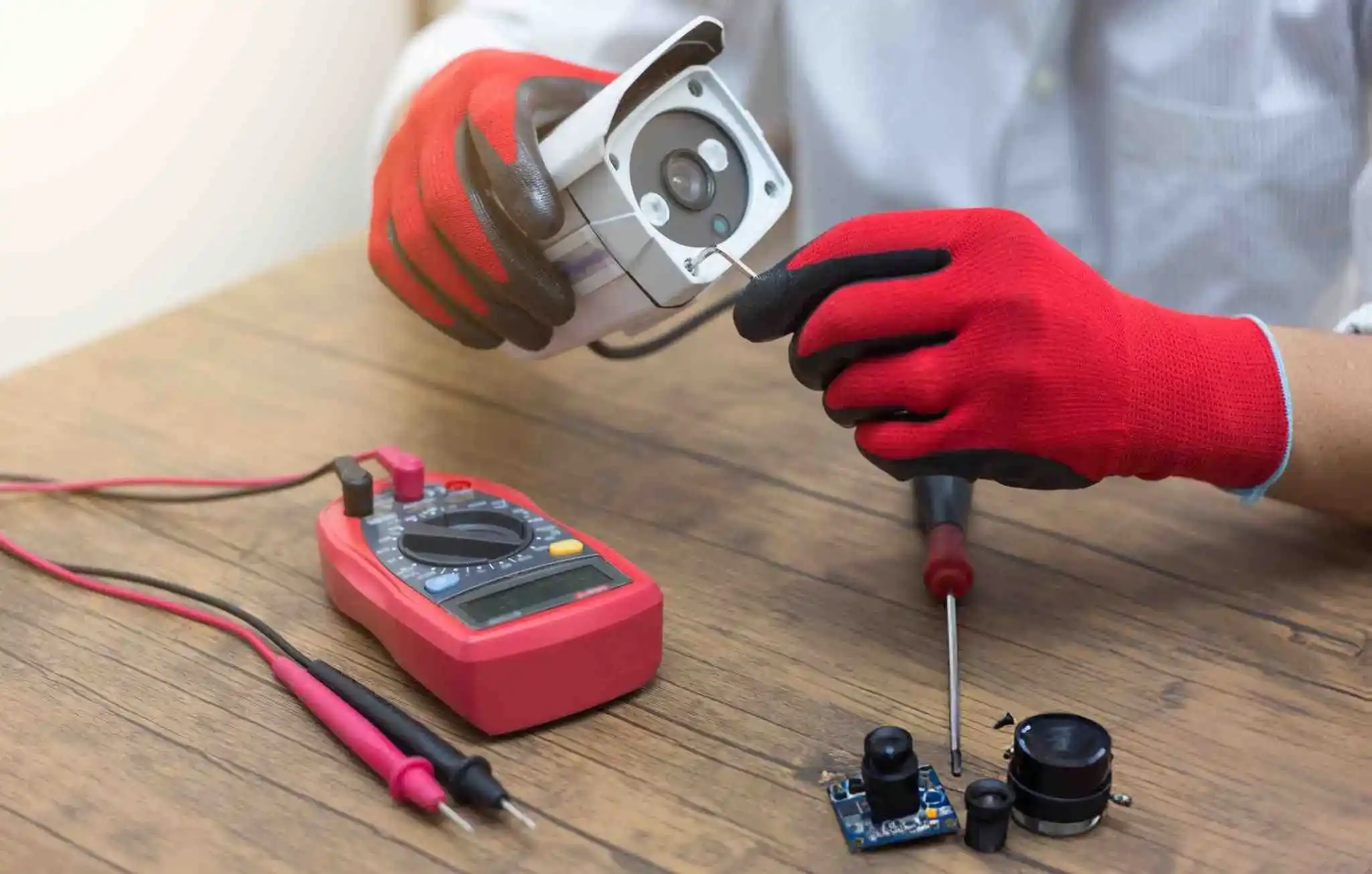
Understanding the different types of CCTV cameras helps you choose a system that actually works in a real home environment. Each camera style is designed for a specific purpose and some perform far better outdoors and at night than others. Below is a simple breakdown starting with the most recommended option for residential properties.
1. Turret Cameras Best Choice for Homes
Turret cameras are the most commonly used CCTV cameras in modern home installations. They are ideal for monitoring front yards, backyards, driveways and side access areas where clear identification and strong night performance are essential. Their design allows precise positioning and consistent coverage without the issues seen in other camera types.
Key Features
- Fixed lens with a wide field of view to cover large areas with fewer cameras
- Exposed lens design reduces night-time infrared reflection and improves clarity
- Strong night vision using infrared, ColorVu, or Dual Light technology
- Available in 4MP, 6MP, and 8MP (4K) resolutions for both general coverage and high-detail areas
Why Turret Cameras Are Better Than Domes at Night
Dome cameras often suffer from infrared light reflecting inside the dome which causes night glare and blurry footage. Turret cameras avoid this problem because the lens and infrared lights are separated which results in clearer sharper images at night especially for faces and number plates.
2. Dome Cameras Good for Indoors Mixed Outdoors
Dome cameras are commonly used inside homes and in sheltered outdoor areas where appearance and protection against tampering are important. Their compact rounded design blends easily into ceilings and walls making them less noticeable than other camera types. They are often chosen for living areas, hallways, garages and covered outdoor spaces.
Pros
- Discreet and clean design that does not stand out visually
- Strong casing makes them harder to knock or twist out of position
- Wide viewing angle suitable for general area monitoring
Cons
- Night glare can affect image, especially outdoors
- Reduced image clarity after dark compared to turret cameras
- Slightly harder to adjust during installation due to enclosed lens design
3. Bullet Cameras Long-Range Monitoring
Bullet cameras are designed for long-distance monitoring and are ideal for properties with long driveways, wide yards or rural settings. Their elongated shape makes them highly visible which can act as a deterrent to potential intruders while keeping focus on specific areas.
Pros
- Capture clear details at a distance with strong directional viewing
- Act as a visible deterrent for intruders
- Excellent long-distance focus for areas needing extra coverage
Cons
- More noticeable, so less discreet than other cameras
- Can be affected by rain, dust, or spider webs, which may reduce image quality
- Require occasional cleaning and maintenance
4. PTZ Cameras (Not Recommended for Most Homes)
PTZ cameras, which stand for Pan Tilt Zoom, are designed to move and zoom automatically, covering large areas with a single unit. While they offer flexibility, most homes don’t need this level of complexity.
Why they’re usually unnecessary:
These cameras are expensive, cannot fully replace multiple fixed cameras, and have more moving parts, which increases maintenance requirements.
Best for:
PTZ cameras are ideal for large commercial sites, warehouses, or expansive outdoor areas, rather than standard residential homes.
Wired vs Wireless CCTV Cameras for Home
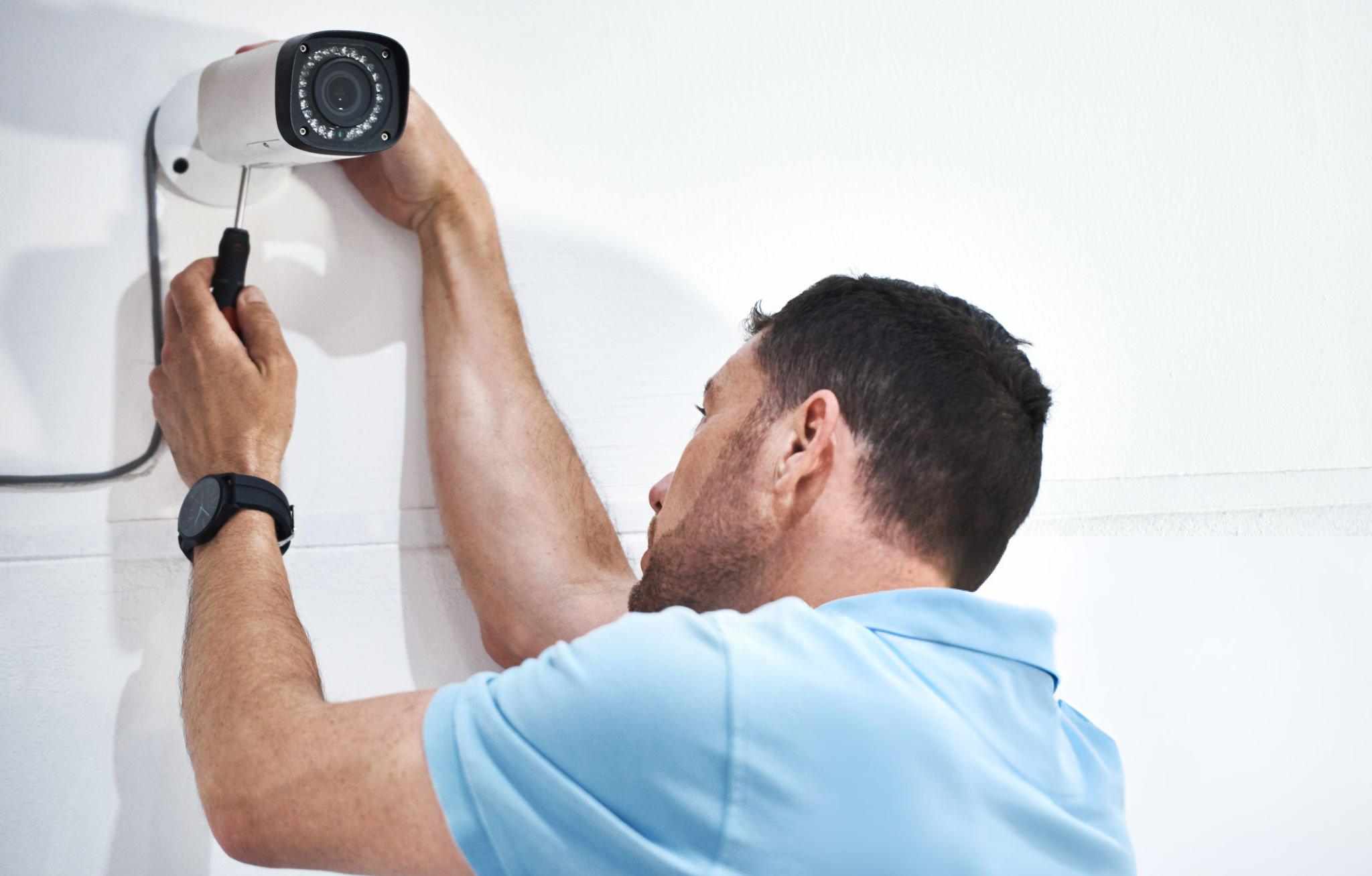
Choosing between wired and wireless CCTV cameras depends on your priorities for security, convenience, and long-term reliability. Wired cameras, often PoE IP models, offer stable connections, high-quality video, and uninterrupted recording, making them ideal for homeowners seeking serious protection.
Wireless cameras, like Ring, Arlo, Google Nest, or Eufy, provide easy installation and app-based monitoring, making them suitable for renters or temporary setups. However, they may suffer from Wi-Fi dropouts, battery maintenance, and limited outdoor reliability.
For a detailed comparison, check out our full guide on Wired vs Wireless CCTV Security Cameras.
Night Vision: What Actually Works
Night vision is one of the most important features for home CCTV cameras because most incidents happen after dark. Not all night vision technologies perform the same, so it’s important to know the difference between traditional infrared (IR) and newer color night vision systems.
Infrared (IR) Night Vision
Infrared night vision provides black and white footage and is very reliable even in complete darkness. It offers long-range coverage and strong low-light performance, making it ideal for monitoring driveways, backyards, and other outdoor areas.
Color Night Vision (ColorVu / Dual-Light)
Color night vision uses built-in LED lights to capture full-color video at night. This technology is excellent for identifying clothing, vehicles, and other important details that black-and-white IR footage might miss.
Local Storage vs Cloud Storage
When choosing a CCTV system for your home, storage options are just as important as camera type. Local storage and cloud storage each have their advantages and limitations, so understanding the differences will help you decide what works best for your needs.
Local Storage (NVR/DVR)
Local storage keeps all footage on an NVR or DVR at your home, meaning there are no monthly fees and your recordings remain private. It supports continuous recording and allows you to access video directly, even if your internet is down.
Cloud Storage
Cloud storage uploads footage to remote servers and usually requires a monthly subscription. Recording time is often limited, and access depends on a stable internet connection, but it allows you to view footage from anywhere using an app.
Best CCTV Setup for Different Home Types
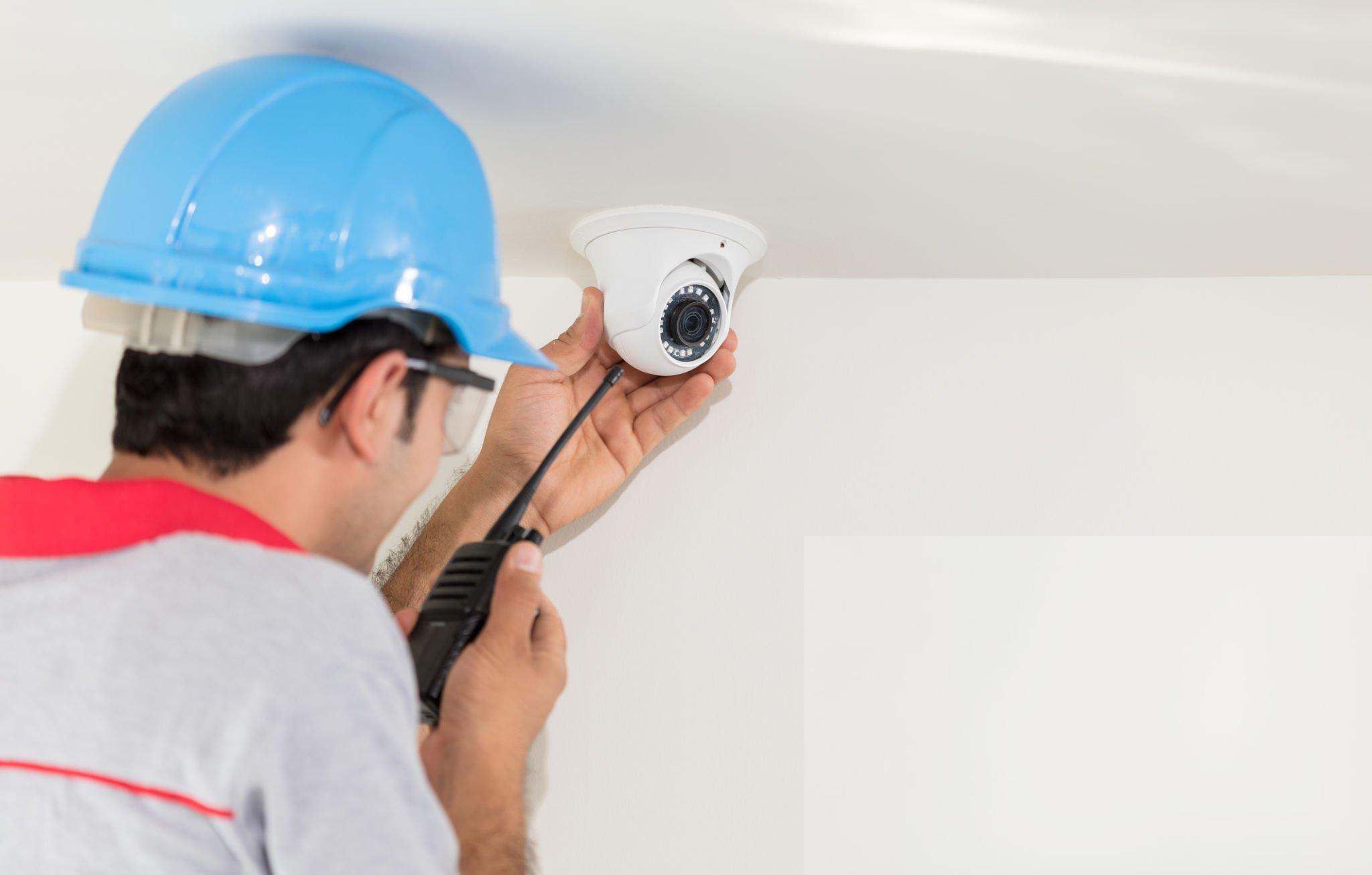
Different homes have different security needs, so the number and type of cameras will vary depending on your property layout, size, and entry points. Choosing the right setup ensures full coverage without unnecessary expense or clutter.
Single-Storey Homes
For single-storey homes, 4 to 6 turret cameras with 6MP resolution are usually enough to cover the full perimeter. This setup ensures that all entrances, backyards, and driveways are monitored effectively.
Double-Storey Homes
Double-storey homes benefit from a mix of turret and dome cameras. Proper placement is crucial to avoid blind spots, and cameras should be mounted at a height of 2.5 to 3 meters for optimal coverage.
Townhouses & Units
For townhouses and units, fewer cameras are needed. Focus should be on main entry points, and using discreet designs helps maintain privacy while still providing reliable security.
Common Mistakes Homeowners Make
Many homeowners make security less effective by choosing Wi-Fi cameras for outdoor areas, buying low-resolution cameras, placing cameras poorly, overlooking night-time performance, or prioritizing price over reliability. Avoiding these mistakes ensures your CCTV system actually protects your home.
Get Expert CCTV Installation for Your Home
Make sure your home is fully protected with our professional CCTV services. Whether you need a new system installed, an existing system repaired, or an upgrade to the latest technology at Borderless Solutions our experienced team provides fast, reliable and affordable solutions.
We handle everything from camera placement to setup, so you can enjoy peace of mind knowing your home is safe 24/7. Contact us today and take the first step toward smarter, stronger home security.
Conclusion
For most homes, a wired PoE IP turret camera system with 6MP or 8MP resolution, local NVR storage, and strong night vision provides the ideal balance of clarity, reliability, and professional-grade protection. This setup delivers the clearest footage, dependable recording, no subscription fees, and long-term security you can trust.
Also checkout our Exclusive CCTV Camera Offers & Deals.
FAQs
Is 4K CCTV worth it for home use?
Yes, especially for driveways and entrances where detail matters.
Are wireless CCTV cameras reliable?
They are convenient but less reliable than wired systems.
Do I need professional installation?
Professional installation ensures correct placement, clean cabling, and optimal coverage.
How many cameras does a home need?
Most homes need between 4 and 6 cameras for full coverage.
Which CCTV camera is better, Wi-Fi or wired?
Wired CCTV cameras are better because they are more reliable, stable, and record continuously without Wi-Fi issues.
Which CCTV camera is best for home Australia?
Wired PoE IP turret cameras (6MP or 8MP) are best for Australian homes due to weather durability and clear footage.
Which is better, 3K or 4K CCTV?
4K CCTV is better as it provides sharper detail, better zoom, and clearer identification than 3K.