Choosing the best personal alarm in Australia is not about finding one “perfect” device, it’s about choosing the right type of alarm for the right person and situation.
Personal alarms are used by seniors, women, people with disabilities, lone workers, and anyone who wants quick access to help during an emergency. With so many options available, understanding how personal alarms work, what features actually matter, and which alarms are reliable in Australia is essential before making a decision.
This guide explains everything you need to know so you can choose a personal alarm confidently and safely.
What Is a Personal Alarm?
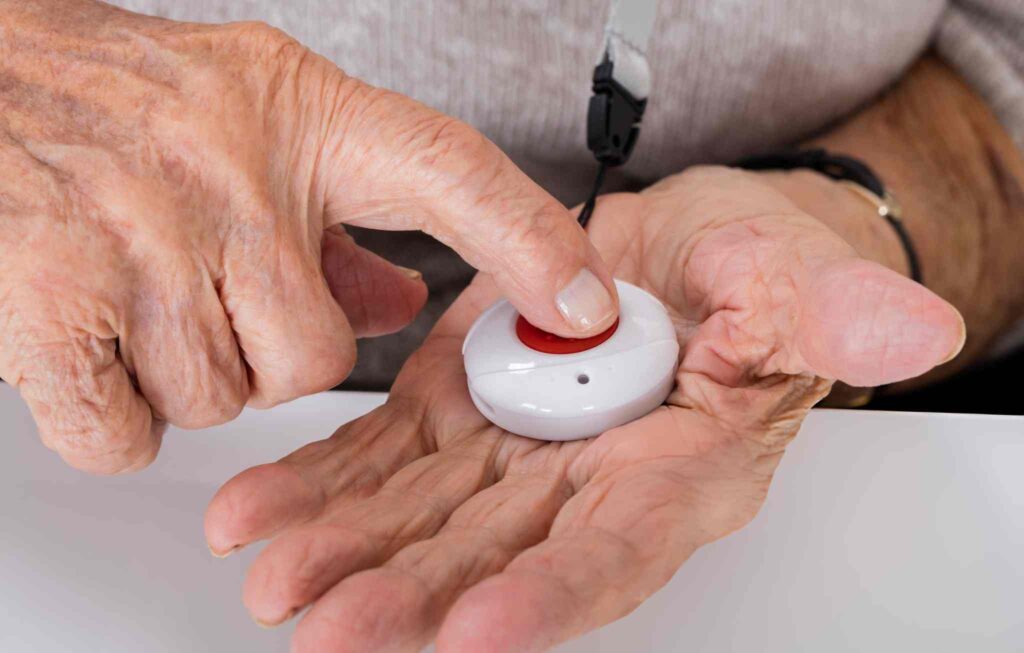
A personal alarm is a wearable safety device designed to help someone call for assistance quickly during an emergency. Most personal alarms can:
- Send an SOS alert with the press of a button
- Call nominated contacts or a 24/7 monitoring centre
- Share the user’s location using GPS
- Automatically trigger alerts in certain situations, such as falls or non-movement
Personal alarms are commonly worn as a pendant, wristwatch, or belt clip, and many are water-resistant or waterproof, allowing them to be worn in the shower one of the highest fall-risk areas.
Who Should Use a Personal Alarm?
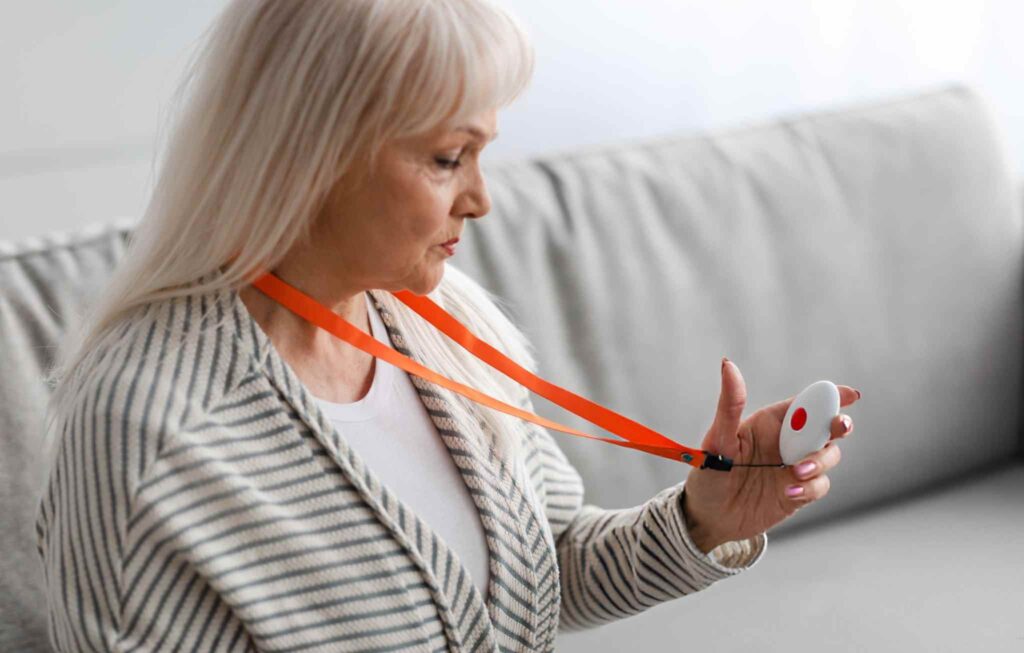
Personal alarms are not only designed for seniors. In Australia, they are used by a wide range of people who want added safety, independence, and peace of mind in their daily lives. The right personal alarm can provide fast access to help during emergencies, no matter the age or situation.
Older Australians
Personal alarms are especially beneficial for older Australians who live alone or have an increased risk of falls. In an emergency, a simple press of a button can connect them to help quickly, reducing response time and offering reassurance to both the user and their family.
Women
Many women use personal alarms for added personal safety while walking, exercising, commuting, or travelling alone. A personal alarm can help deter threats, alert others nearby, or quickly notify emergency contacts if help is needed.
People with Disabilities
For people with physical, sensory, or cognitive disabilities, personal alarms provide an added layer of security. They allow users to call for assistance if they experience a medical issue, mobility problem, or unexpected situation where reaching a phone may be difficult.
NDIS Participants
NDIS participants often use personal alarms to support independent living and personal safety. These devices can be an important part of a broader support plan, helping participants feel confident and secure at home or while out in the community.
Lone Workers
Lone workers in industries such as construction, security, healthcare, and remote services face unique safety risks. A personal alarm ensures they can quickly raise an alert if they are injured, feel unsafe, or need urgent assistance while working alone.
Post-Surgery Patients
People recovering from surgery may have limited mobility and a higher risk of falls, especially in the early stages of recovery. A personal alarm provides peace of mind by ensuring help is always within reach during this vulnerable period.
The “best” personal alarm depends entirely on who will use it and how.
Types of Personal Alarms Available in Australia
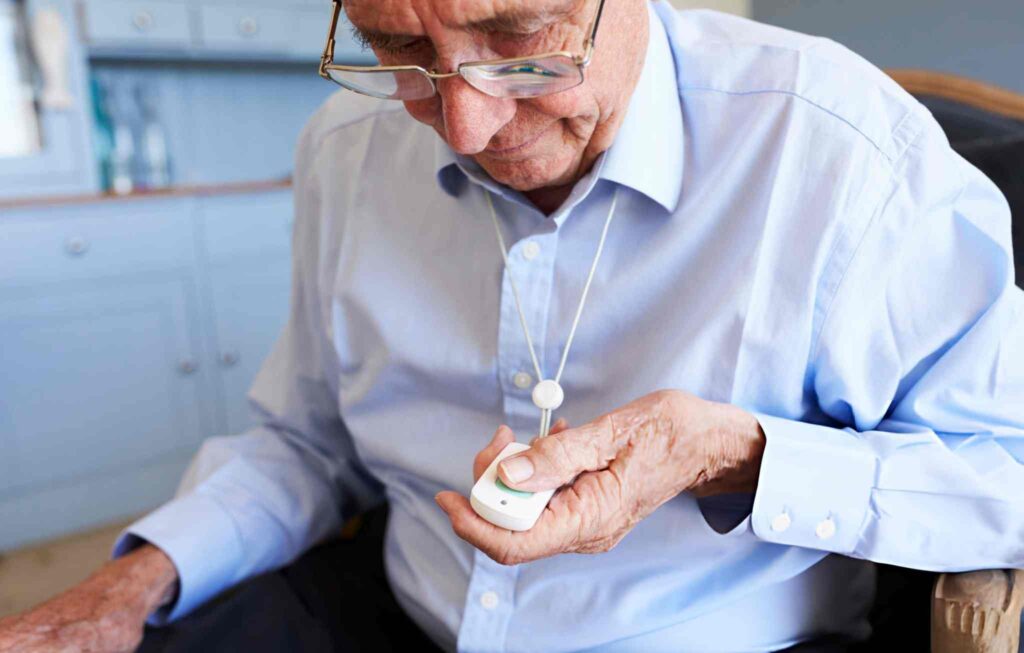
In Australia, personal alarms generally fall into a few main categories, each designed to suit different needs, lifestyles, and risk levels. Understanding these options can help you choose a solution that offers the right balance of safety and independence.
Auto-Dial (Self-Monitored) Personal Alarms
Auto-dial personal alarms are self-monitored devices that send calls or text messages to pre-programmed contacts when the alarm is activated. These contacts are usually family members, friends, or carers rather than a professional monitoring centre.
Pros
Auto-dial alarms are typically more affordable and easy to set up. They do not require ongoing monitoring fees, making them a popular option for people who want a basic safety solution and already have reliable contacts available to respond.
Limitations
Because these alarms rely on personal contacts, there is a risk that calls or messages may be missed, especially during urgent situations. Response times can be slower, and support may be limited if the user cannot speak or explain the emergency. For people with higher health or safety risks, this type of alarm may not provide enough protection.
Monitored Personal Alarms
Monitored personal alarms are connected to a 24/7 emergency response centre, where trained professionals are ready to respond at any time. When the alarm is activated, the call is answered immediately by a monitoring team who can speak directly to the user and assess the situation.
Key benefits
Monitored alarms provide immediate response, day or night, offering reassurance that help is always available. Two-way communication allows the operator to speak with the user, understand what has happened, and take appropriate action. Trained monitors assess each situation and can contact emergency services if required, while also notifying nominated contacts. Relevant medical information can be shared with responders, helping ensure faster and more appropriate care.
Because of this level of support, monitored personal alarms are widely considered the safest option for seniors, people with medical conditions, and those living alone.
In-Home vs Mobile Personal Alarms
Personal alarms in Australia are commonly available as in-home or mobile devices. The right choice depends on where the person spends most of their time and how active their daily lifestyle is.
In-Home Personal Alarms
In-home personal alarms are designed to work within the home and nearby areas such as the garden. They use a base unit that connects to the mobile network and communicates with a wearable pendant. These pendants are usually waterproof and have long-lasting batteries that can last for several years without charging. In-home alarms are ideal for people who spend most of their time at home and want a reliable, low-maintenance safety solution.
Mobile Personal Alarms
Mobile personal alarms work anywhere in Australia where there is mobile network coverage. They use 4G or 5G networks and often include GPS location, allowing the user’s location to be identified during an emergency. Because they are portable and not connected to a base unit, they are well suited to active users who go out independently. Mobile alarms do require regular charging, usually every 24 to 48 hours, which is an important factor to consider for daily use.
Pendant vs Watch-Style Personal Alarms
Personal alarms are commonly available as pendant-style or watch-style devices. Both options offer important safety features, but they differ in ease of use, design, and suitability for different users.
Pendant Alarms
Pendant alarms are worn around the neck and feature a large, easy-to-press SOS button. They are simple to operate during emergencies, even in high-stress situations. This makes them especially suitable for people with arthritis, reduced dexterity, or vision impairments. Due to their straightforward design, pendant alarms are generally considered more reliable when fast action is needed.
Watch Alarms
Watch-style personal alarms are worn on the wrist and offer a more discreet, modern appearance. They often include GPS tracking and additional smart features. However, smaller buttons and touch screens can make them harder to use quickly in an emergency, and battery life is usually shorter compared to pendant alarms. Watch alarms are better suited to users who are comfortable with technology and prefer a less visible safety device.
Essential Features to Look For
When choosing a personal alarm, certain features can make a significant difference in safety, ease of use, and reliability. Here are the key features to consider.
Emergency SOS Button
The SOS button should be easy to press, even for users with limited strength or dexterity. A large, clearly marked button ensures help can be summoned quickly in an emergency.
Fall Detection
Fall detection automatically sends an alert if a sudden fall is detected. Keep in mind that slow slumps or supported falls may not trigger the alarm, so it’s an additional safety feature rather than a replacement for user activation.
GPS Location Tracking
GPS tracking helps responders locate the user during an emergency. Accuracy can vary indoors, in dense urban areas, or near tall buildings, so it’s best used as a supplementary tool.
Battery Life
Mobile alarms should have at least 24 hours of battery life, while in-home pendants often use long-life batteries that can last years. Low-battery alerts are essential to ensure the device remains operational.
Charging Method
Charging cradles or magnetic docks are easier to use than traditional cables, especially for users with limited dexterity, reducing the risk of missed charging.
Water & Dust Resistance
Look for an IP rating for reliable protection:
- IP66: dust-tight and resistant to strong water jets
- IP67: protected against submersion up to 1 metre
Avoid vague terms like “splash-proof” unless accompanied by a proper IP rating.
Multiple Contacts
Alarms should allow you to add multiple contacts and automatically cycle through them if the first person doesn’t respond, increasing the chances of timely assistance.
Non-Movement Alerts
This feature sends an alert if the device detects no movement for a set period, which can be useful for seniors or people with medical conditions who may be unable to activate the alarm themselves.
Australian Compliance & Safety Standards
When choosing a personal alarm in Australia, it’s important to make sure the device meets local regulatory requirements. Look for alarms that comply with ACMA (Australian Communications and Media Authority) standards and are sold by suppliers registered in the National Equipment Registration System (NERS). This ensures the alarm is reliable and functions properly in emergencies.
Additionally, choose medical alarm providers that follow recognised industry standards and have clear privacy and data protection policies. Non-compliant devices may not only fail when needed most but could also put your personal information at risk, so it’s crucial to prioritise certified and reputable alarms.
Privacy & Data Security Considerations
Personal alarms often collect sensitive information, including your location, medical details, and emergency contact information. This data is crucial for responders but must be handled securely to protect your privacy.
Before purchasing a personal alarm, check how your data is stored and whether it’s encrypted. Avoid devices with unclear or vague privacy policies, and be cautious of inexpensive overseas products that offer no local support, as they may compromise both functionality and security.
Can You Get Funding for a Personal Alarm?
In Australia, funding for personal alarms may be available through programs such as the Commonwealth Home Support Programme (CHSP), Home Care Packages (HCP), the NDIS, and state-based personal alert initiatives. Veterans may also be eligible for support through specific government programs.
Eligibility for funding usually depends on individual assessment criteria, including health, mobility, and living situation. It’s worth checking with your service provider or local support agency to see if you qualify for assistance to cover the cost of a personal alarm.
So, What Is the Best Personal Alarm in Australia?
There isn’t a single “best” personal alarm that suits everyone. The right alarm depends on the user’s lifestyle, mobility, and specific safety needs. It should be reliable, easy to use in an emergency, and compatible with Australian mobile networks.
A quality personal alarm will meet Australian compliance standards, provide fast and appropriate responses when activated, and give peace of mind to both the user and their loved ones. If you’re unsure which one fits your needs, we provide the best personal alarms in Australia and can help you choose the right solution.
Need Help Choosing the Right Personal Alarm?
Choosing the right personal alarm can be confusing especially when safety is on the line. At Borderless Solutions, we help Australians choose reliable, compliant personal alarm solutions based on real-world safety needs. If you’d like expert guidance or want help selecting the most suitable personal alarm for your situation, we’re here to help. Contact our team for personalised advice and trusted personal safety solutions.