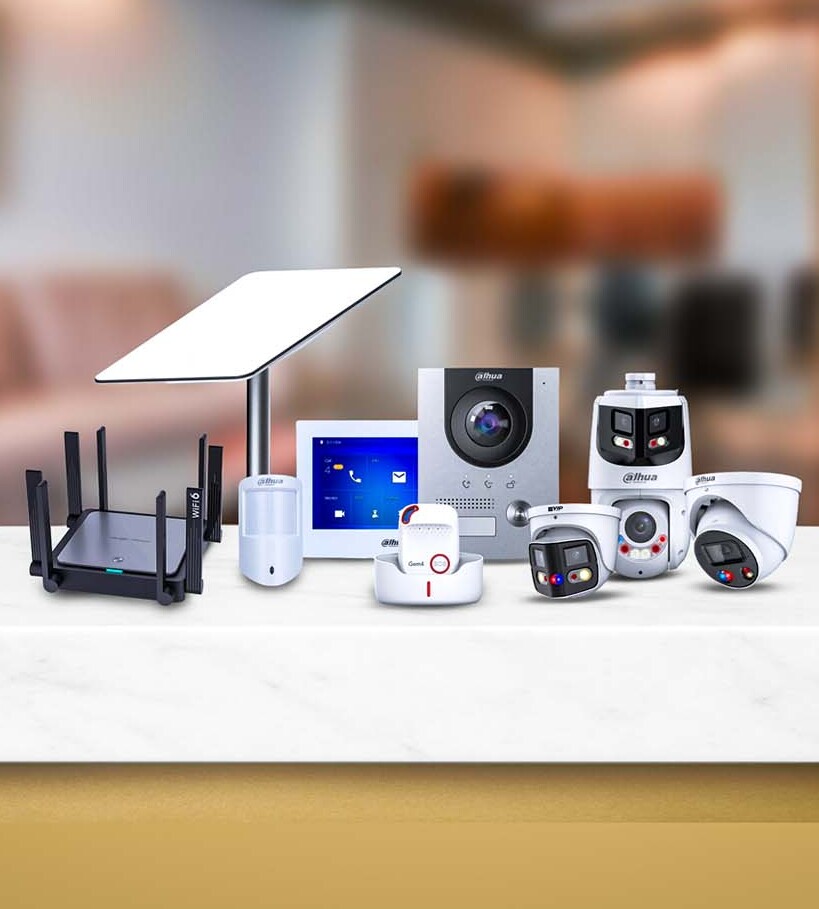

Many older security alarm systems were built to communicate through phone lines (PSTN) or GSM networks. With modern internet-based systems now dominating the market, older alarms may seem outdated but they don’t have to be replaced.
An IP module is the solution that brings an old alarm system into the modern era. It is a small hardware add-on that connects your alarm panel to the internet, allowing remote monitoring, control, and faster alarm reporting.
What Does an IP Module Do?

An IP module is a device that connects to your existing alarm control panel and enables communication over the internet using TCP/IP. It acts like a bridge between your old alarm system and the modern world.
Key Functions
An IP module enables your alarm system to send signals over the internet directly to monitoring stations, replacing the need for traditional phone line communication. This internet connection also allows remote access and control, so you can arm or disarm the system and check its status from anywhere using a smartphone or computer.
In addition, IP modules can send email or push notifications for alarm events, ensuring you receive instant updates whenever the system is triggered. They also support remote maintenance and programming by installers, meaning technicians can update settings or troubleshoot issues without visiting the property. Borderless Solutions provides security alarm installation in Melbourne and can configure these features during setup.
Why Old Alarm Systems Need IP Modules
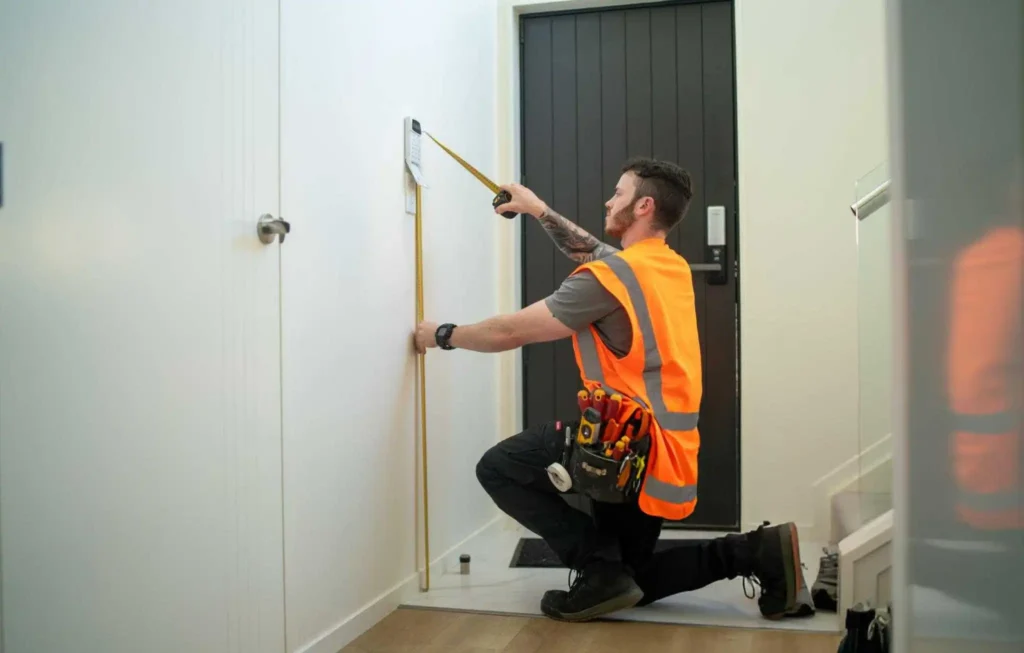
Many older alarm systems were designed to communicate using traditional landline phone connections (PSTN) or basic GSM modules, and some systems only trigger local sirens without any remote reporting. These methods are becoming outdated as phone lines are phased out and internet-based communication becomes the standard.
As a result, older alarms may no longer be able to send alerts or connect to monitoring services reliably. An IP module solves this problem by adding internet connectivity to the existing alarm panel, allowing the system to communicate over the internet, send faster notifications, and be monitored remotely without needing to replace the entire alarm system.
Can Old Alarm Systems Be Connected to Smart Home Devices?
Yes, in many cases old alarm systems can be connected to smart home devices, especially when an IP module is added. While older systems were not originally designed for smart integration, the IP module enables the alarm panel to communicate over the internet, which opens up the possibility for remote control and monitoring through smart home apps and platforms. This modern connectivity can bring older systems closer to the functionality of newer smart security setups without replacing the entire alarm.
How it works:
Once the alarm panel is connected to the internet through an IP module, it can send real-time alerts to mobile apps and support remote control features, such as arming or disarming the system from anywhere. This internet connection also allows the alarm to communicate with smart home platforms or automation systems, depending on the compatibility of the panel.
However, the level of smart integration depends on the alarm model and whether it supports third-party connections or APIs. Even if full smart home automation is not possible, adding an IP module still provides the key benefit of remote monitoring and control, which is the most valuable upgrade for older alarm systems.
How IP Modules Improve Home Security?
Adding an IP module to your alarm system does more than just modernize it. It strengthens the overall security by improving communication speed, reliability, and control, making your home safer and more responsive during emergencies. With an IP module, your alarm system can keep up with today’s connected lifestyle and provide better protection without needing a full system replacement.
1. Faster Alarm Reporting
IP communication is typically faster than traditional phone lines, which means your alarm events are delivered more quickly to monitoring services or your mobile device. Faster reporting reduces the response time during an emergency, helping to prevent damage or loss before it escalates.
2. Reliable Connection
When the internet connection is stable, IP communication is consistent and dependable. Unlike old phone line systems, IP connections are not affected by PSTN shutdowns, copper network failures, or line cuts. This makes your alarm communication more secure and less vulnerable to interruptions.
3. Remote Access and Control
With IP connectivity, you can control your alarm system remotely, allowing you to arm or disarm it from anywhere using your smartphone. You can also check the system status in real time and receive alerts instantly. This remote access provides convenience and peace of mind, especially when you’re away from home.
4. Easier Monitoring Options
IP modules allow alarm signals to be sent to monitoring stations, cloud services, or mobile apps. This flexibility makes it easier to choose the monitoring option that best suits your needs, whether you prefer professional monitoring or self-monitoring.
Overall, an IP module improves your home security by making your alarm system faster, more reliable, and easier to manage. It ensures your alarm stays connected and responsive, providing better protection for your home and family.
Benefits of Adding an IP Module to an Old Security Alarm
Adding an IP module to an old security alarm is one of the easiest ways to upgrade your system without replacing the entire setup. It brings modern functionality and improves communication reliability, while keeping your existing alarm hardware in place.
Cost-Effective Upgrade
Replacing an entire alarm system can be expensive, especially if the existing system is still functioning well. An IP module provides modern features and internet connectivity at a fraction of the cost, making it a smart and affordable upgrade.
Extends the Life of Your Existing System
Instead of buying a new alarm panel, you can keep your current setup and simply add internet capability through an IP module. This extends the lifespan of your system and allows you to continue using the equipment you already have.
Avoids Ongoing SIM Costs
Unlike GSM modules that require a SIM card and data plan, IP modules use your existing internet connection. This reduces ongoing costs and removes the need for monthly SIM charges, making it a more budget-friendly option in the long run.
Supports Remote Maintenance
An IP module enables remote access for installers, allowing them to update settings and perform maintenance without needing to visit the property. This saves time and reduces service costs, while ensuring your system remains up to date and secure.
Compatible with Monitoring Services
IP modules can connect to monitoring stations using standard communication protocols, ensuring that your alarm signals are properly received and processed. This makes it easier to maintain professional monitoring without needing a full system replacement.
IP Module vs GSM Module (Quick Comparison)
When deciding between an IP module and a GSM module, it helps to understand how each one communicates and what type of environment they work best in. Both modules can connect your alarm system to a monitoring service or remote control, but they use different technologies and have different strengths depending on your situation.
IP Module
An IP module connects your alarm system to the internet, using your existing home or business network to send alarm signals and notifications. It typically offers faster reporting and lower ongoing costs because it relies on your current internet connection rather than a separate data plan. This makes it a strong option for locations where internet access is stable and reliable.
GSM Module
A GSM module connects the alarm system using a mobile network through a SIM card. This option is useful when internet access is unreliable or not available, such as in remote locations or properties without broadband. GSM modules are also more resilient during power outages or network disruptions, as they can continue sending signals through the mobile network.
Overall, each module has its ideal use case. Best for: IP modules are best for locations with stable internet connections, while GSM modules are best for remote sites or properties without reliable internet access.
Are IP Modules Worth It?
If you have an older alarm system that still works, an IP module is one of the best upgrades you can make. It brings your system into the modern era, improves monitoring and remote control, and avoids the expense of a full replacement.
Conclusion
An IP module is a simple but powerful upgrade for older security alarms. It connects your existing system to the internet, enabling remote monitoring, faster alerts, and improved security without needing to replace the entire alarm panel. If you want to modernize your old alarm system while keeping costs low, adding an IP module is one of the smartest choices you can make.
If you’re looking to upgrade your old security alarm system, we can help. Borderless Solutions provides installation services for IP modules, as well as full alarm upgrades and issue fixes for older security systems. Whether you need remote monitoring enabled or troubleshooting support, our team can assess your setup and recommend the best solution to your alarm system. Contact us today.