Uncontrolled access, missed visitors, and inefficient communication can pose serious security risks for homes, apartments, and businesses. Without the right system, it’s difficult to monitor activity, verify visitors, or manage entry to restricted areas, leaving property owners and managers vulnerable.
Intercom and access control systems provide the solution by combining security, communication, and convenience in one integrated system. They allow residents and staff to see and speak with visitors before granting access. They also simplify communication between units or departments and help businesses manage employee and visitor entry efficiently. Investing in these systems boosts property value, and Borderless Solutions in Melbourne provides expert installation and advice.
What is an Intercom System?
An intercom system is a communication network that allows people to talk to each other within a building or property. These systems can be audio-only or include video features, enabling clear communication between rooms, floors, or even separate buildings.
Unlike access control systems, which focus on managing entry and security, intercoms primarily handle communication. Some modern intercoms, however, integrate access control features, allowing users to unlock doors or gates remotely while talking to a visitor.
Components of an Intercom System
A typical intercom system consists of several key components:
- Master Station: The main control unit, often located at a reception or central point.
- Substations: Units installed in rooms or apartments to communicate with the master station.
- Wiring/Network: Connects all devices; can be wired or wireless.
These components work together to create a seamless communication network for any property.
Types of Intercom Systems
Intercom systems come in different types to suit various needs, from simple audio communication to advanced video and IP-based systems. Each type offers unique features, advantages, and limitations, which we’ll explain below.
Wired Intercom Systems
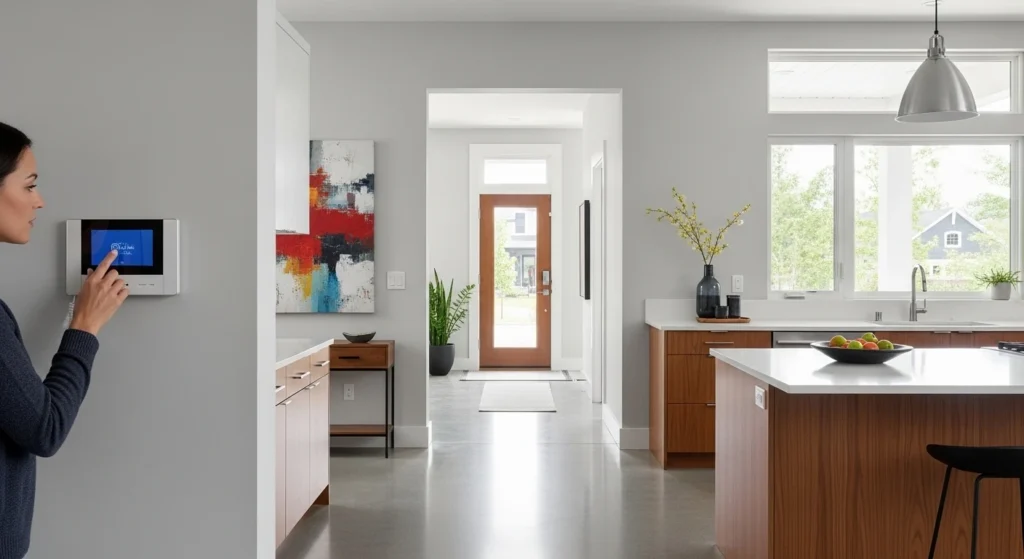
Wired intercoms use physical cables to connect units within a property. They are often installed during building construction or renovations.
Advantages:
- Highly reliable connection
- Secure communication
Disadvantages:
- Higher installation costs
- Less flexible if you need to move units
Wireless Intercom Systems
Wireless intercoms transmit audio or video through radio signals or Wi-Fi. They are easy to install and ideal for existing buildings.
Advantages:
- Simple and flexible installation
- No need for extensive wiring
Disadvantages:
- Signal interference may occur
- Limited range depending on building size
Video Intercom Systems
Video intercoms combine audio and visual communication, allowing users to see visitors before granting access.
Advantages:
- Visual verification improves security
- Enhances monitoring capabilities
Disadvantages:
- Higher cost than audio-only systems
- Requires maintenance for cameras and displays
Audio Intercom Systems
Audio intercoms allow voice communication without video. They are commonly used in homes or offices where visual monitoring isn’t necessary.
Advantages:
- Cost-effective
- Simple to install
Disadvantages:
- No visual confirmation of visitors
IP / Smartphone-Based Intercom Systems
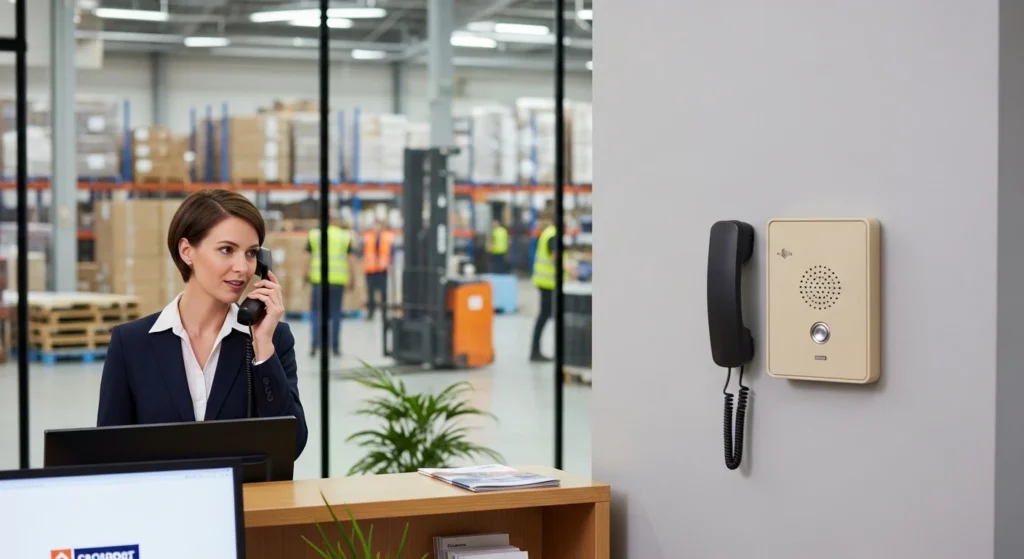
These internet-based intercoms use Wi-Fi and mobile apps to connect devices. Users can communicate and control access remotely.
Features:
- Mobile notifications for visitors
- Remote door or gate unlocking
- Cloud storage for video recordings
Gate / Remote Unlock Intercom Systems
Designed for entry points, these intercoms allow remote unlocking of gates or doors while communicating with visitors.
Common Use: Residential complexes, offices, and gated communities
Apartment or Multi-Unit Intercom Systems
These systems serve buildings with multiple units. They allow centralized management of communication and access for all residents.
Key Feature: Scalable management for large buildings or apartment complexes
How to Choose the Right Intercom System?
When selecting an intercom system, consider:
- Purpose: Is it for home, business, or multi-unit building?
- Building Size and Layout: Ensure the system covers all required areas.
- Budget: Choose a system that fits both current needs and future upgrades.
- Features: Look for video, smartphone integration, emergency alerts, and access control compatibility.
- Installation Complexity: Wired systems may require professional installation, while wireless systems are easier to set up.
- Scalability: Consider whether the system can grow with your property or business.
At Borderless Solutions, we help you assess your property’s needs and recommend the best system.
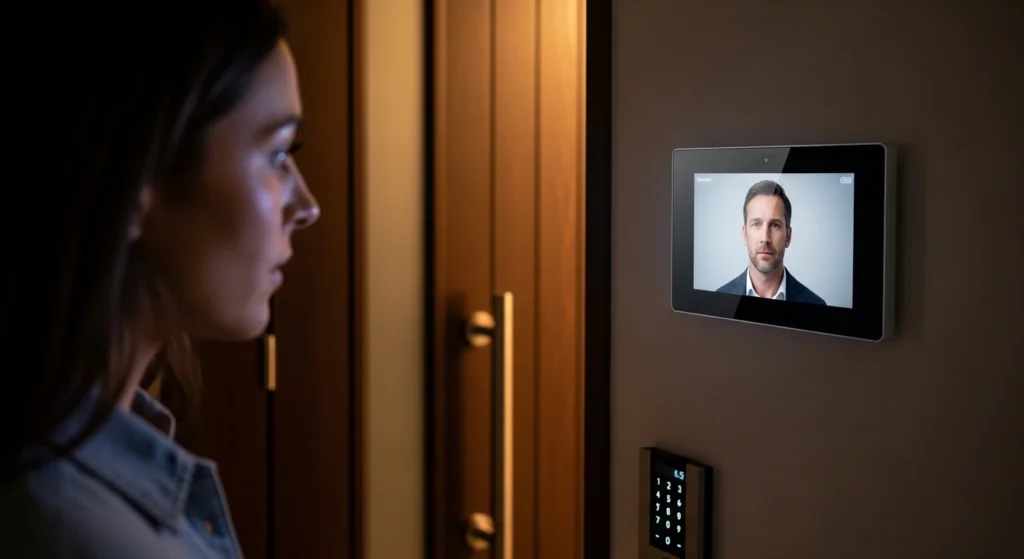
Types of Access Control Systems
Access control systems come in different types, each designed for specific security needs. Below, we’ll explain the main types and how they work.
Keypad Access Control
Keypad access control systems allow users to unlock doors by entering a numeric code. They are simple to use and cost-effective, making them ideal for small offices or residential homes where basic security is needed.
RFID / Proximity Card Access Control
RFID or proximity card systems grant access when users scan a card or key fob. These systems are secure and allow quick entry, making them popular in offices, apartment buildings, and other facilities with frequent access requirements.
Biometric Access Control
Biometric systems use unique physical features such as fingerprints, facial recognition, or iris scans to control entry. They offer high security and eliminate the need for shared codes, although they can be more expensive and require regular maintenance.
Mobile / App-Based Access Control
Mobile or app-based access control systems let users manage entry using smartphones. They provide features like remote access, temporary access codes, and activity logs, offering flexibility and convenience for both residential and commercial properties.
Key Fob / Card-Based Door Entry Systems
Key fob or card-based door entry systems use proximity devices to allow secure access without entering codes. These systems are commonly used in commercial buildings and high-traffic areas where fast and reliable access is essential.
Benefits of Intercom and Access Control Systems
Enhanced Security
Intercom and access control systems help you monitor and manage who enters your property, reducing the risk of unauthorized access. Features like video verification and access logs keep your premises secure.
Improved Communication
These systems enable quick communication between rooms, units, or departments without needing to move around. Important messages can be delivered instantly, improving efficiency.
Convenience
Users can unlock doors and manage access remotely through smartphones or central panels. This removes the need for physical keys and simplifies daily operations.
Property Value
Modern security and communication features make a property more attractive to buyers and tenants. They add both functionality and long-term value to the building.
Integration of Intercom & Access Control Systems
Modern systems combine intercom communication with access control to create a complete security solution. Users can see visitors, unlock doors remotely, and receive mobile alerts or temporary access permissions, improving both security and convenience.
Installation and Maintenance
Proper installation ensures reliability and performance:
- Planning and Design: Choose the right type and placement
- Wiring and Mounting: For wired systems, ensure professional installation
- Configuration and Testing: Check all devices and features
- Maintenance: Software updates, battery replacement, and troubleshooting
- User Training: Teach residents or employees how to operate the system.
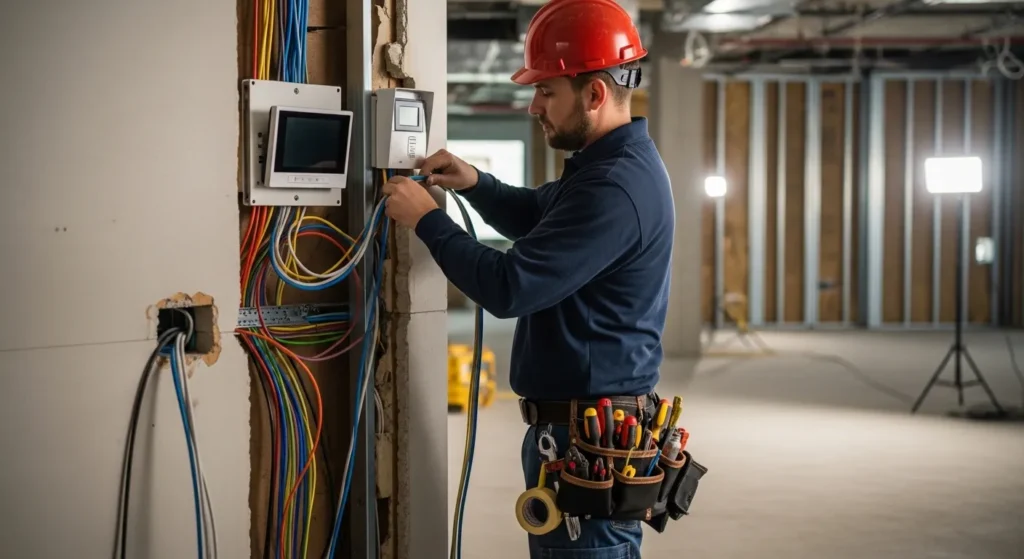
Top Features to Look For in Intercom and Access Control Systems
- Two-way audio and video communication
- Wireless connectivity and smartphone integration
- Smart home or building automation compatibility
- Recording and playback options
- Multi-unit or multi-user communication
- Emergency alert features
- User management and customization
Secure Your Property and Stay in Control
If you’re looking for reliable intercom system installation in Melbourne, we are here to help. Our team can assess your needs and provide the right access control solution for your home or business. Contact Borderless Solutions today to upgrade your security and manage entry with confidence.
Conclusion
Intercom and access control systems are essential for modern homes, apartments, and businesses. They enhance security, improve communication, and offer convenience for property management.
At Borderless Solutions, we help you select and install the right system for your needs. Whether it’s a home intercom or a complex access control system, we ensure reliable, scalable, and secure solutions.
Frequently Asked Questions (FAQs)
What are the different types of intercom systems?
Audio, video, wired, wireless, IP, smartphone-based, and multi-unit systems.
How do I choose the right intercom system for my home or business?
Consider purpose, building size, features, budget, and scalability.
Are intercom and access control systems safe?
Yes, when installed and maintained properly, they enhance security significantly.
What is the easiest type of intercom installation?
Wireless or IP-based systems are the easiest, requiring minimal wiring.
How common are these systems in residential and commercial properties?
They are becoming increasingly common for both security and convenience in homes, apartments, and businesses.