
Poor TV reception can be frustrating, whether you’re dealing with pixelated images, missing channels, or signal dropouts. In Australia these issues often occur due to distance from broadcast towers, urban or rural obstructions, weather conditions, or outdated equipment. The good news is that most TV aerial signal problems can be fixed with the right approach.
This guide covers practical DIY tips as well as professional solutions to ensure you get the best possible TV reception in your home.
Why Your TV Aerial Signal Is Poor in Australia
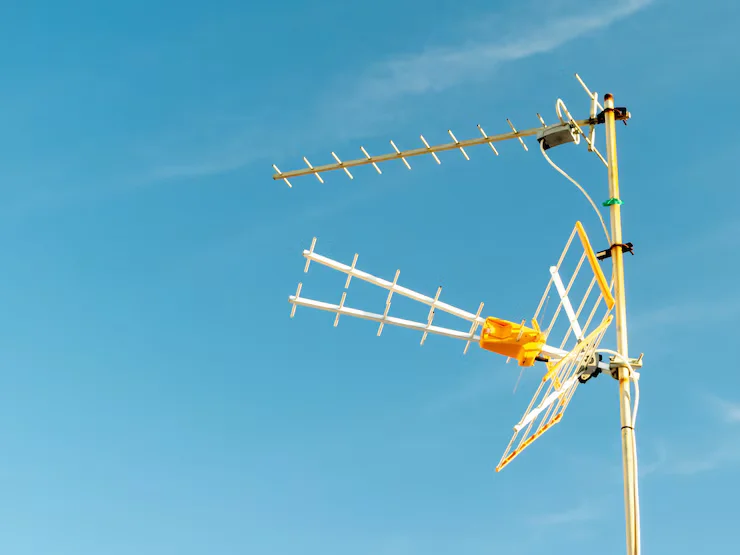
Australian homes face several natural obstacles that can affect TV signal strength. Understanding these environmental factors can help you identify issues and improve reception effectively.
Weather Conditions:
Weather plays a significant role in TV signal quality. Heavy rain, strong winds, or storms can temporarily weaken or disrupt signals, leading to pixelation or channels dropping out. While you can’t control the weather, knowing its impact can help you troubleshoot and take preventive measures, such as using higher-quality antennas or signal boosters.
Trees, Buildings, and Terrain:
Physical obstructions like hills, dense foliage, and high-rise buildings can block or reflect TV signals. In both suburban and rural areas, trees and nearby structures may interfere with line-of-sight reception, reducing signal strength and clarity. Proper antenna placement and height can often overcome these barriers.
Suburban vs Regional Reception:

Your location in Australia can also affect signal strength. Homes located farther from broadcast towers, particularly in regional or remote areas, may naturally experience weaker reception. Suburban areas may face interference from buildings and urban infrastructure, while regional homes often need directional antennas or signal amplifiers to capture distant signals reliably.
Electrical & Signal Interference
Electronic devices around your home can interfere with TV reception by emitting electromagnetic signals that disrupt your antenna. Devices such as Wi-Fi routers, cordless phones, microwaves, and LED lights are common culprits that may cause pixelation or signal dropouts.
In addition, modern building materials can reduce signal effectiveness. Metal roofs, foil insulation, and reflective surfaces can block or weaken TV signals, making it harder for your antenna to receive a clear and stable signal. Proper antenna placement and avoiding nearby electronic interference can significantly improve reception.
Antenna & Cabling Problems
Many TV reception issues are caused by outdated or damaged equipment. Old or incompatible digital antennas may struggle to capture modern broadcast frequencies, leading to poor signal quality and missing channels.
Cables and connectors also play a crucial role in maintaining a strong signal. Coaxial cables, splitters, and wall plates can deteriorate over time or be installed incorrectly, which can result in signal loss or interference.
Additionally, the height and alignment of your antenna significantly affect reception. Antennas placed too low or not properly aimed at the broadcast tower will receive weaker signals, reducing picture clarity and reliability. Ensuring your equipment is up-to-date and correctly installed can make a noticeable difference in TV aerial performance.
How to Improve TV Aerial Signal (Step-by-Step)
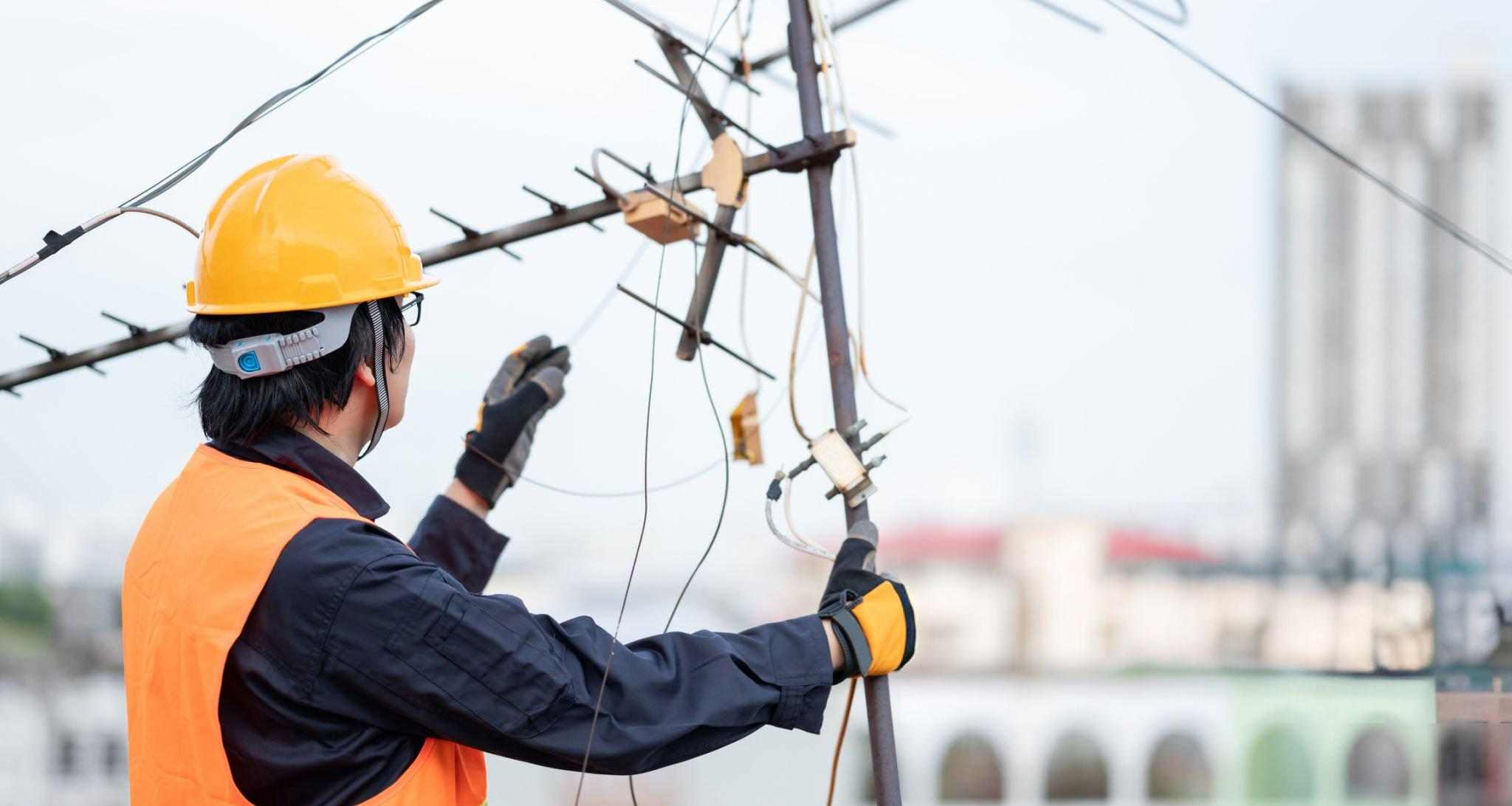
Reposition & Raise Your TV Antenna
Install your antenna as high as possible on your roof for a clear line of sight to the nearest broadcast tower. Avoid placing it behind trees or structures to minimize signal obstruction.
Align the Antenna Correctly
Directional antennas must face the broadcast tower accurately, while omnidirectional antennas benefit from central placement. Even small angle adjustments can dramatically improve reception.
Upgrade to a Digital-Ready Antenna
Modern digital antennas are designed for Australian frequencies and provide better reception than older analog models. Choose the antenna type based on your location: directional antennas for rural areas or omnidirectional for urban areas with multiple towers.
Check & Replace Cables, Wall Plates & Splitters
Use high-quality RG6 quad-shield coaxial cables and inspect all connectors for damage or corrosion. Replace old splitters or wall plates to ensure optimal signal transfer.
Use a TV Signal Booster (When Needed)
TV signal boosters or amplifiers can be very effective in areas with weak reception. Masthead amplifiers are installed close to the antenna to maximize signal gain, helping to capture distant or obstructed signals more reliably.
Distribution amplifiers are useful when you need to send a strong signal to multiple TVs within your home. However, it’s important to avoid over-amplifying, as too much signal can cause distortion and reduce picture quality. Using the right type and level of amplification ensures clearer and more stable TV reception.
Retune / Channel Scan Your TV
Periodically run a channel scan to pick up new or relocated broadcast frequencies. This ensures your TV receives all available channels with the strongest signal.
DIY Fixes vs Professional TV Aerial Service
DIY Fixes
Many homeowners can try simple adjustments to improve TV reception themselves. Basic repositioning of the antenna, running a channel rescan, or checking and tightening cables can sometimes resolve minor signal issues. Trial-and-error with antenna placement or orientation may also help, especially for indoor setups or small obstructions. These DIY steps are often quick and cost-effective for basic reception problems.
Professional Solutions
Professional TV aerial services provide a more reliable and long-term fix for reception issues. Technicians use specialized tools to test signal strength, perform precise antenna alignment, and install or upgrade masts and antennas when needed. They can also address black spot areas and guarantee results, ensuring consistent and high-quality reception across all TVs in your home.
While minor adjustments can help, professionals have signal meters and experience to guarantee long-term reception. Attempting rooftop installation yourself can be unsafe and may not fix complex signal issues.
Want to get best tv antenna read how to choose the best tv antenna for free free-to-air tv.
FAQs: Improving TV Aerial Signal
How can I boost my TV antenna signal strength?
Raise the antenna height, aim it toward the nearest broadcast tower, replace old cables, and use a signal booster only if you’re in a weak signal area.
How to fix a poor aerial signal?
Check antenna alignment, run a channel scan, replace damaged coaxial cables or splitters, and upgrade to a digital-ready antenna if needed.
Does aluminum foil really help antenna reception?
No. Aluminum foil may occasionally change reception but is unreliable and often makes signals worse on digital TV.
How to boost TV antenna signal homemade DIY?
Try repositioning the antenna, moving it closer to a window or higher point, reducing nearby electrical interference, and rescanning channels.
Conclusion
Improving your TV aerial signal doesn’t have to be complicated. By understanding the common causes of poor reception in Australia and applying the right solutions whether it’s better antenna placement, upgraded equipment, or proper signal amplification you can enjoy clear, stable TV viewing without constant dropouts or pixelation. While basic fixes can help, long-term and reliable results come from correct installation and accurate signal testing.
If the issue is still there make sure to contact us, we are experts in digital antenna installation and signal improvement across Melbourne. Contact us today and get a free quote to restore strong, uninterrupted TV reception in your home.