
Smoke alarms are essential for keeping your home safe. They alert you to the presence of smoke or fire, giving you precious time to evacuate and protect your family. But a beeping smoke alarm can be frustrating, especially when there is no visible smoke. Many homeowners ask, “why is my smoke alarm beeping?” Understanding the cause is the first step to resolving the issue safely.
A smoke alarm may beep due to low batteries, internal faults, or environmental factors. Ignoring these signals is risky because your smoke alarm may not function correctly during a real emergency. In this guide, we’ll explain how to stop the smoke alarm beeping, common causes, step-by-step fixes, and when to call a professional.
Smoke Alarm Beep Patterns and What They Indicate
Smoke alarms use different beep patterns to indicate specific issues. Recognizing these patterns can help you quickly determine the cause and take action.
Single Chirp vs Continuous Beeping
A single chirp, typically occurring every 30–60 seconds, often signals a low battery or minor maintenance issue. If your smoke alarm is beeping every 30 seconds, this is a clear sign the battery needs attention. Continuous beeping usually indicates a more serious problem, such as smoke detection or an internal fault, which requires immediate action.
Warning Signals: Battery, Fault, or Smoke
- Battery Warning: Most alarms emit a single chirp to indicate the battery is running low.
- Fault Warning: A sequence of beeps may indicate an internal malfunction or wiring problem.
- Smoke Detection: Continuous rapid beeping usually means smoke or fire is detected. Always check your home first before attempting to silence the alarm.
Recognizing these signals helps prevent unnecessary panic and ensures your alarm works when you need it most.
How to Stop a Beeping Smoke Alarm: Step‑by‑Step Fixes
If your house smoke alarm keeps beeping, you can usually resolve the issue with a few simple steps. These fixes are easy to follow and safe for most standard alarms.
Replace Batteries Correctly
Low batteries are the most common reason a smoke alarm chirps. Here’s how to replace them safely:
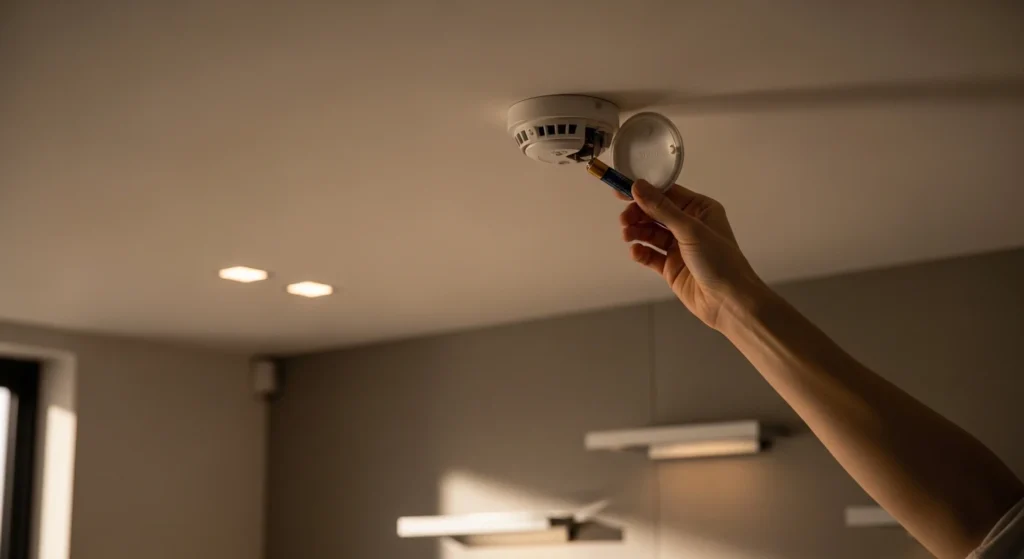
- Remove the alarm from its mounting bracket.
- Open the battery compartment.
- Replace the old battery with a fresh one of the correct type (usually 9V or AA).
- Close the compartment and reattach the alarm.
Make sure the battery is installed correctly. Some alarms continue beeping if the battery is backward.
Reset Your Smoke Alarm
After replacing the battery, your smoke alarm may need a reset:
- Press and hold the test/reset button for 15–30 seconds.
- Wait for a single chirp or for the beeping to stop.
- If it continues, double-check the battery and connections.
Resetting is especially important for hardwired smoke alarm beeping systems, which may retain an error signal even after battery replacement.
Cleaning Tips to Prevent False Alarms
Dust, insects, and humidity can trigger false alarms:
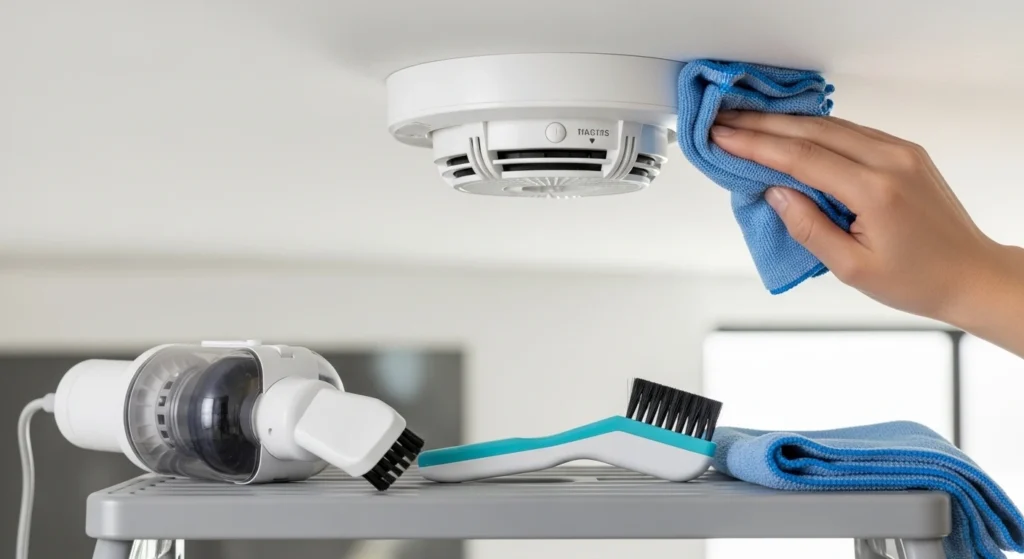
- Use a vacuum with a soft brush to remove dust from vents.
- Avoid spraying cleaning chemicals directly into the alarm.
- Check for insects in the sensor chamber.
A clean smoke alarm is less likely to beep unnecessarily and will function reliably when needed.
Safety Tips Before Silencing the Alarm
Never disable a smoke alarm without confirming there is no smoke or fire. Even if the chirping seems minor, always inspect your home first. Safety comes before convenience.
For those searching “how to disable smoke alarm beeping”, remember: only turn off an alarm temporarily if you are sure there is no danger.
When to Call a Professional?
If your smoke alarm continues to beep after following these steps, it may be time to call a professional.
Hardwired System Troubleshooting
Hardwired smoke alarm beeping can be more complex than battery-operated units. Wiring issues or faults may not be safe to fix on your own. Professional electricians or certified specialists can inspect and repair these systems safely.
Persistent Beeping After DIY Fixes
If the alarm still chirps after battery replacement, reset, and cleaning, it may indicate a sensor malfunction. Replacing the unit or calling a professional is the safest approach.
Electrical or Sensor Faults
Older alarms or those exposed to humidity or electrical surges may develop sensor or circuit faults. Professionals can test the unit, repair faults, or install a new smoke alarm that meets current safety standards.
In Melbourne, Borderless Solutions provides expert smoke alarm fixing and installation services, ensuring your alarms are safe, compliant, and reliable.
Professional Smoke Alarm Fix & Maintenance Services
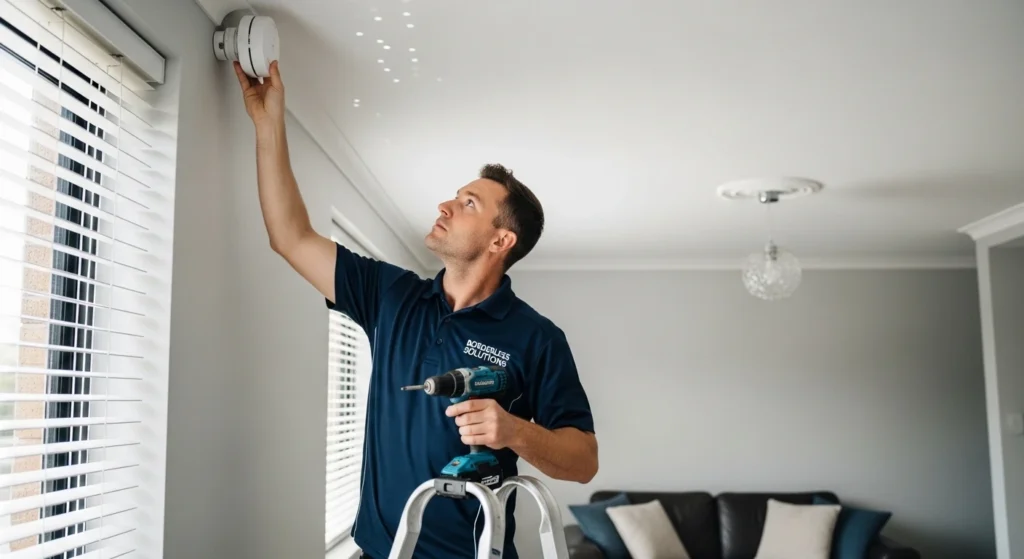
Maintaining smoke alarms isn’t just about stopping annoying beeps — it’s about protecting your home. Borderless Solutions offers full smoke alarm servicing across Melbourne, including:
- New smoke alarm installation
- Battery replacement and alarm resets
- Hardwired system repairs
- Regular maintenance to prevent false alarms
Professional servicing guarantees your alarms work correctly and reduces the risk of malfunctions, giving you peace of mind.
Maintenance Checklist to Keep Alarms Beep‑Free
Preventive maintenance is key to avoiding repeated beeping. Follow this checklist:
Monthly Tests and Battery Changes
- Test each alarm monthly using the test button.
- Replace batteries every 6–12 months, or sooner if the alarm chirps.
Cleaning and Replacement Schedule
- Vacuum alarms regularly to remove dust.
- Replace smoke alarms every 10 years or according to manufacturer guidelines.
- Inspect units for signs of wear or electrical issues.
Regular maintenance ensures your alarms stay beep-free and fully functional.
Frequently Asked Questions
How Can I Stop the Alarm After Changing the Battery?
Press the reset/test button. Ensure the battery is installed correctly and the compartment is securely closed.
Will My Alarm Stop Beeping on Its Own?
No. Most alarms continue to chirp until the underlying issue, low battery, dirt, or fault is resolved. Ignoring it may compromise safety.
How Often Should I Replace My Smoke Alarm Completely?
Replace smoke alarms every 10 years, or sooner if the unit is damaged or malfunctioning. Regular maintenance cannot compensate for old or faulty alarms.
Conclusion
A beeping smoke alarm is more than an annoyance, it’s a signal that your home’s safety system needs attention. By understanding why your smoke alarm is beeping, performing simple fixes, and maintaining your units regularly, you can prevent unnecessary chirping and ensure your home remains protected.
For persistent issues, Borderless Solutions provides professional smoke alarm fixing and installation services in Melbourne. Their expert team ensures alarms are safe, reliable, and compliant, giving you peace of mind.